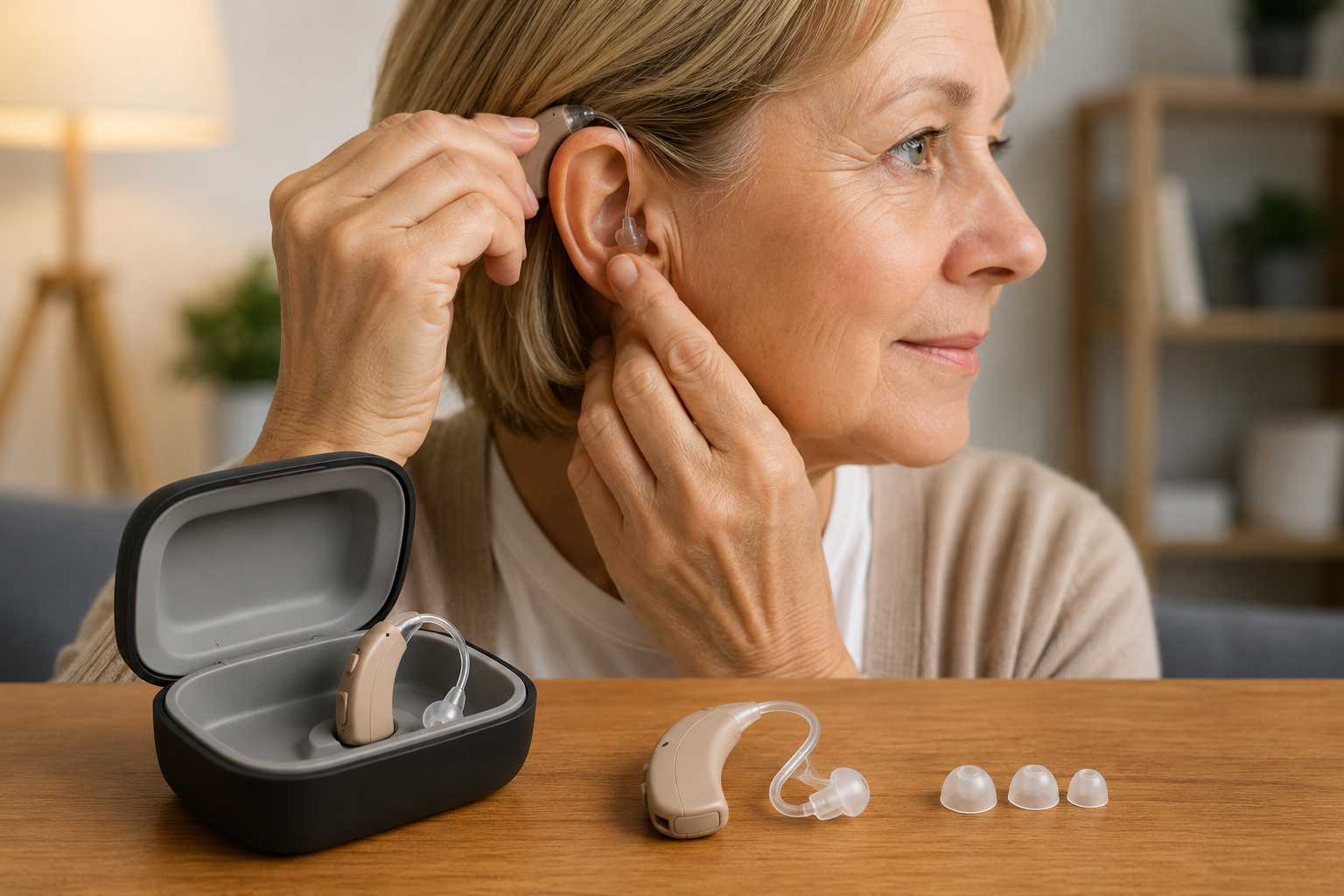
Living with hearing loss can affect every part of daily life, from conversations with family and friends to working, shopping and travelling independently. Many people receiving Personal Independence Payment (PIP) ask whether the benefit can help them obtain hearing aids or pay towards the cost.
The answer is not always straightforward. PIP does not provide free hearing aids directly, but it can help cover the additional costs associated with living with hearing loss. In many cases, hearing aids are available free of charge through the NHS, while people who prefer private hearing aids may be able to use their PIP payments towards the cost.
This guide explains exactly how hearing aids relate to PIP, who may qualify, what financial support is available and how to access the right help.
Yes, but not directly.
PIP does not issue hearing aids or provide vouchers specifically for hearing aids. Instead, PIP is a disability benefit designed to help with the extra costs of living with a long term health condition or disability, including hearing loss.
Most people who need hearing aids can receive them free through the NHS following an assessment by an audiologist. If you receive PIP and choose to buy private hearing aids instead, you may decide to use some of your PIP payments towards the cost.
| Situation | Outcome |
|---|---|
| Eligible for NHS hearing aids | Usually supplied free after assessment |
| Receive PIP | Payments can help with extra disability related costs |
| Want premium private hearing aids | PIP may help towards the cost but does not pay specifically for them |
| Need additional financial support | Grants and charities may be able to help |
Getting hearing aids on PIP means using financial support available through Personal Independence Payment alongside NHS services or other funding options.
PIP is intended to help with the extra costs of disability. It is not means tested and does not restrict how recipients spend the money. If hearing loss creates additional expenses, recipients can choose to use their payments towards hearing related equipment, batteries, accessories or privately purchased hearing aids.
However, NHS hearing aids remain free for eligible patients and are usually the first option recommended.
You may qualify for PIP if:
Hearing loss alone does not automatically qualify someone for PIP.
Instead, the Department for Work and Pensions looks at how your hearing difficulties affect your everyday activities.
Examples include:
PIP is awarded using a points based assessment.
The assessment considers how your hearing loss affects specific daily activities rather than focusing on the medical diagnosis itself.
Some activities include:
You may receive points if you:
The greater the impact on daily life, the more likely you are to qualify.
No.
PIP is not affected by:
You can work full time and still qualify if your disability meets the assessment criteria.
No.
Unlike some means tested benefits, there are no savings limits for Personal Independence Payment.
Whether you have:
your savings alone will not affect your entitlement.
PIP has two components.
The amount you receive depends entirely on your assessment score rather than your diagnosis.
Your PIP payments can be used however you choose, including helping pay for:
Yes.
Although PIP does not award money specifically for hearing aids, recipients can choose how they spend their payments.
Some people prefer private hearing aids because they may offer:
| NHS Hearing Aids | Private Hearing Aids |
|---|---|
| Free after assessment | Can cost hundreds or thousands of pounds |
| Good quality digital technology | Wider choice of technology |
| Repairs usually included | May include advanced features |
| Batteries often supplied | Ongoing maintenance costs may apply |
Choosing private hearing aids is entirely optional.
Visit your GP if you believe you have hearing loss.
You may be referred to an NHS audiology clinic.
Complete a hearing assessment.
If appropriate, NHS hearing aids may be fitted free of charge.
If your hearing loss significantly affects daily life, consider making a PIP claim if you have not already done so.
When completing your PIP application:
Useful evidence includes:
Strong supporting evidence can help explain how hearing loss affects daily life.
Many applications are unsuccessful because people underestimate how much hearing loss affects them.
Avoid these common mistakes.
Explain how your hearing loss affects everyday activities.
Mention problems such as:
Many people cope by relying on:
These adaptations should still be explained.
Medical evidence strengthens your application.
Sarah has moderate hearing loss.
She receives NHS hearing aids free of charge.
She also receives the Daily Living component of PIP because she struggles to communicate without support.
She uses some of her PIP payments to buy specialist television listening equipment.
Michael works full time but has severe hearing loss.
He qualifies for PIP because communicating safely at work and outside the home remains difficult despite wearing hearing aids.
He decides to purchase upgraded private hearing aids using part of his PIP payments.
Aisha receives NHS hearing aids but experiences additional disability related expenses, including specialist alarm systems and amplified telephones.
Her PIP payments help cover these ongoing costs.
Depending on your circumstances, you may also qualify for:
Some charities also provide funding for specialist hearing equipment where financial hardship exists.
This article has been reviewed against current UK Government guidance relating to:
Benefit rules and payment rates may change over time. Individual entitlement depends on personal circumstances and assessment outcomes.
Yes. NHS hearing aids are generally available free following an assessment, regardless of whether you receive PIP.
No. Hearing aids are provided through NHS audiology services rather than through PIP.
Yes. PIP is paid to help with extra disability related costs, and recipients decide how the money is spent.
No. PIP looks at how your hearing loss affects daily living and mobility rather than whether you wear hearing aids.
Yes, if the hearing loss causes sufficient difficulties with daily activities under the PIP assessment criteria.
No. Many people work while receiving PIP.
Yes. NHS hearing aids are modern digital devices suitable for most people’s hearing needs.
Yes. Children with hearing loss can usually access NHS hearing services, although PIP itself is an adult benefit. Other benefits may apply for children.
In many areas you can access hearing services through your GP or by self referring where local NHS services allow this.
You should report relevant changes if they affect your PIP award and seek a further hearing assessment if your hearing needs change.
Yes. Many people receive both.
PIP can be used towards any disability related costs, including hearing equipment and accessories, if you choose.
Useful official sources include:
Hearing loss can have a significant impact on everyday life, affecting communication, confidence and independence. While Personal Independence Payment does not provide hearing aids directly, it can offer valuable financial support to help meet the extra costs associated with living with hearing loss.
For many people, the first step is to arrange an NHS hearing assessment, where digital hearing aids are usually provided free of charge if they are clinically needed. If you prefer private hearing aids or require additional equipment, PIP gives you the flexibility to use your payments in the way that best supports your individual needs.
If your hearing loss affects your ability to communicate, manage daily activities or travel safely, it may also be worth considering whether you meet the eligibility criteria for PIP. Providing clear examples and strong supporting evidence can improve the quality of your application and help decision makers understand the real impact your condition has on your daily life.
Benefits Advice UK provides free information to help people better understand the UK benefits system. Always check the latest Government guidance before making financial decisions.
Information on this site is based on official UK guidance.
About our information and sources
Sign up for our newsletter to receive updates when there are changes to Universal Credit.