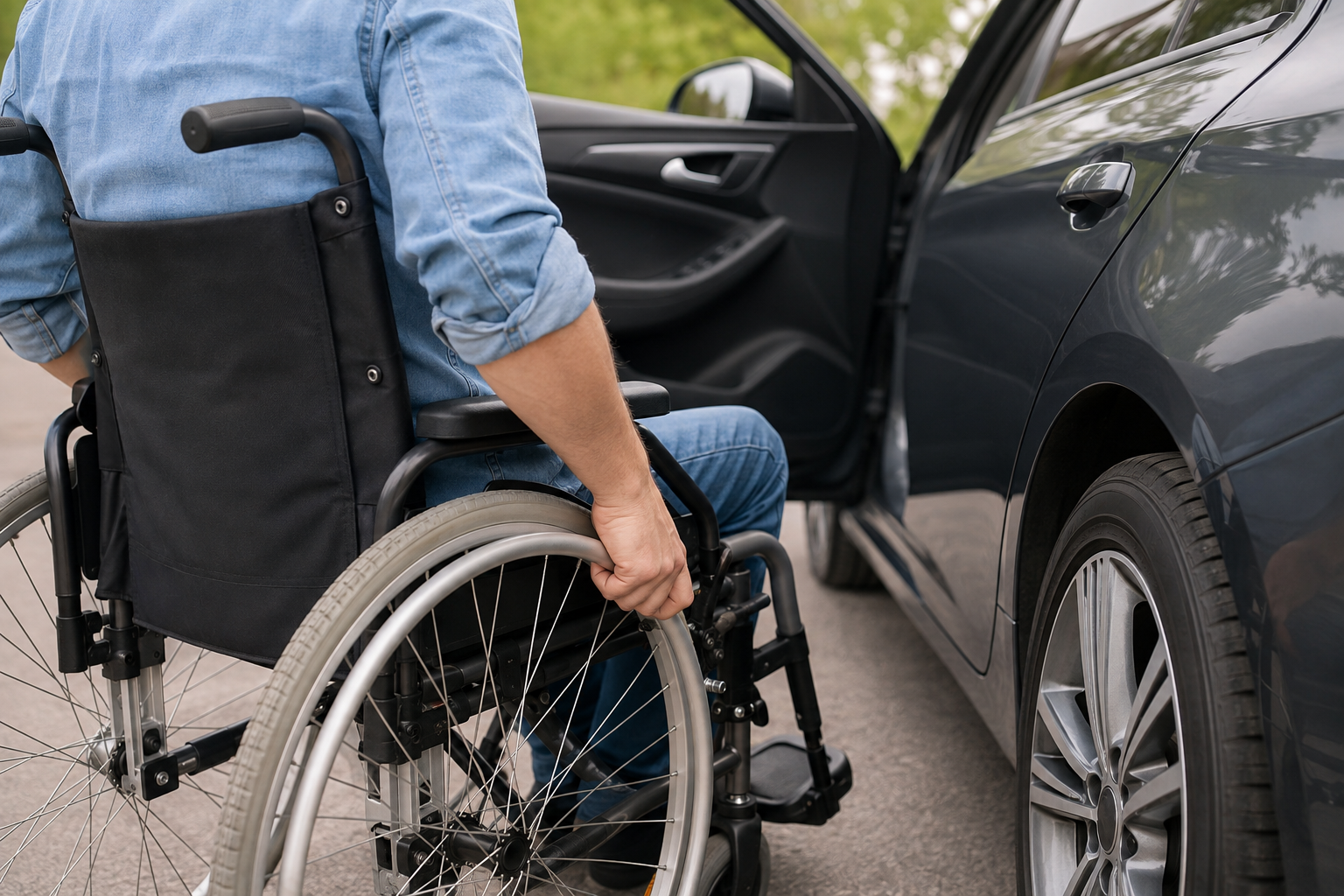
Owning and running a vehicle can be expensive, especially if you rely on it because of a disability or long term health condition. One of the most valuable forms of financial support available to eligible Personal Independence Payment claimants is free vehicle tax.
Many people do not realise they may qualify for a 100 percent exemption from Vehicle Excise Duty, commonly known as road tax, while others could instead receive a 50 percent reduction. Understanding which rate applies, how to apply and what evidence is required can save hundreds of pounds each year.
This guide explains everything you need to know about how to get free vehicle tax on PIP, including eligibility, application steps, common mistakes and answers to frequently asked questions.
You can get free vehicle tax on PIP if you receive the Enhanced Rate of the Mobility component of Personal Independence Payment. The vehicle must normally be registered in your name or used for your benefit. To claim the exemption, you will usually need your Certificate of Entitlement issued by the Department for Work and Pensions and apply through the Driver and Vehicle Licensing Agency when taxing your vehicle.
If you receive the Standard Rate of the Mobility component, you may instead qualify for a 50 percent reduction in vehicle tax rather than a full exemption.
Free vehicle tax on PIP is a Government scheme that allows certain disabled people to avoid paying Vehicle Excise Duty on one qualifying vehicle.
The exemption is intended to help disabled people who depend on a vehicle because of mobility difficulties.
The support applies whether the vehicle is:
Only one vehicle can normally receive the exemption at any one time.
You may qualify if you receive:
For PIP claimants specifically, the deciding factor is the rate of the Mobility component you receive.
| PIP Mobility Award | Vehicle Tax Benefit |
|---|---|
| Enhanced Rate | 100 percent free vehicle tax |
| Standard Rate | 50 percent reduction |
| No Mobility Award | No vehicle tax reduction through PIP |
To receive free vehicle tax through PIP you generally need to meet all of the following conditions.
You must receive:
The Daily Living component alone does not qualify for free vehicle tax.
The vehicle must be used by you or primarily for your benefit.
Someone else may drive the vehicle if they are transporting you or using it on your behalf.
The vehicle is usually registered:
You can only receive free vehicle tax on one vehicle at a time.
No.
There are no income limits for free vehicle tax linked to PIP.
Your:
do not affect whether you qualify.
Eligibility depends entirely on your qualifying disability benefit.
No.
Unlike some means tested benefits, there are no savings limits.
Whether you have:
your savings do not affect entitlement if you meet the qualifying PIP conditions.
The amount depends on the type of vehicle you own and the applicable Vehicle Excise Duty rate.
If you qualify for:
The savings can amount to hundreds of pounds every year depending on your vehicle.
| Mobility Award | Support Available |
|---|---|
| Enhanced Mobility | Full exemption from vehicle tax |
| Standard Mobility | Half price vehicle tax |
| No Mobility Award | Standard vehicle tax payable |
Applying is straightforward if you have the correct documentation.
Receive your qualifying PIP award.
Obtain your Certificate of Entitlement from the Department for Work and Pensions.
This certificate confirms your eligibility.
Tax your vehicle using the certificate.
Applications can normally be made:
Keep your vehicle taxed.
Even if no payment is due, you must still renew your vehicle tax when required.
You may be asked to provide:
Having all documents ready helps avoid delays.
Yes.
Another person can drive the vehicle provided it is being used for your benefit.
For example:
Using the vehicle mainly for someone else’s personal use may breach the exemption conditions.
Yes.
If your vehicle is supplied through the Motability Scheme, vehicle tax is generally arranged as part of the lease.
You usually do not need to make a separate application.
Your entitlement to free vehicle tax depends on your qualifying mobility award.
If:
you must inform the relevant authorities.
Failure to do so could result in penalties or unpaid vehicle tax becoming due.
Many applications are delayed because of avoidable errors.
Common mistakes include:
Checking the eligibility rules first can save time and prevent disappointment.
Sarah receives Enhanced Rate Mobility PIP because of a long term neurological condition.
She owns a small hatchback which she uses for hospital appointments and everyday travel.
Outcome:
She qualifies for free vehicle tax.
David receives Standard Rate Mobility PIP.
Outcome:
He does not receive free vehicle tax but qualifies for a 50 percent reduction.
Emma receives only the Daily Living component of PIP.
Outcome:
She does not qualify for vehicle tax support through PIP.
| Situation | Outcome |
|---|---|
| Enhanced Mobility PIP | Free vehicle tax |
| Standard Mobility PIP | Half price vehicle tax |
| Daily Living only | No vehicle tax reduction |
| Motability vehicle | Vehicle tax usually arranged through the scheme |
No. Only people receiving the Enhanced Rate Mobility component qualify for the full exemption.
The vehicle normally needs to be registered appropriately and used for your benefit.
No. Only one vehicle can normally receive the exemption.
Yes. Even when no payment is due, renewal is still required.
No. Income has no effect on eligibility.
No.
Yes, provided it is being used for your benefit.
Your entitlement to free vehicle tax may end and you should notify the relevant authorities.
No. Standard Rate Mobility normally provides a 50 percent reduction rather than a full exemption.
If you lease a vehicle through Motability, the vehicle tax is generally included as part of the lease arrangements.
Depending on your circumstances, you may also qualify for:
Exploring all available support can significantly reduce everyday living costs.
For the most up to date guidance, consult official UK Government information on:
Official Government guidance should always take precedence if rules change.
This article has been reviewed against current UK Government guidance relating to:
Benefit rules and vehicle taxation legislation can change. Always check the latest official Government guidance before submitting an application or making financial decisions.
Understanding how to get free vehicle tax on PIP can make a significant difference to your annual motoring costs. If you receive the Enhanced Rate Mobility component of Personal Independence Payment, you could qualify for a full exemption from Vehicle Excise Duty on one vehicle used for your benefit. If you receive the Standard Rate Mobility component, you may still benefit from a valuable 50 percent reduction.
The key to a successful application is ensuring you have the correct qualifying award, obtaining your Certificate of Entitlement and renewing your vehicle tax when required. Remember that income and savings do not affect eligibility, making this support available solely on the basis of your qualifying disability benefit.
By understanding the rules and avoiding common mistakes, you can make the most of the financial help available and reduce the cost of staying mobile.
Benefits Advice UK provides free information to help people better understand the UK benefits system. Always check the latest Government guidance before making financial decisions.
Information on this site is based on official UK guidance.
About our information and sources
Sign up for our newsletter to receive updates when there are changes to Universal Credit.