
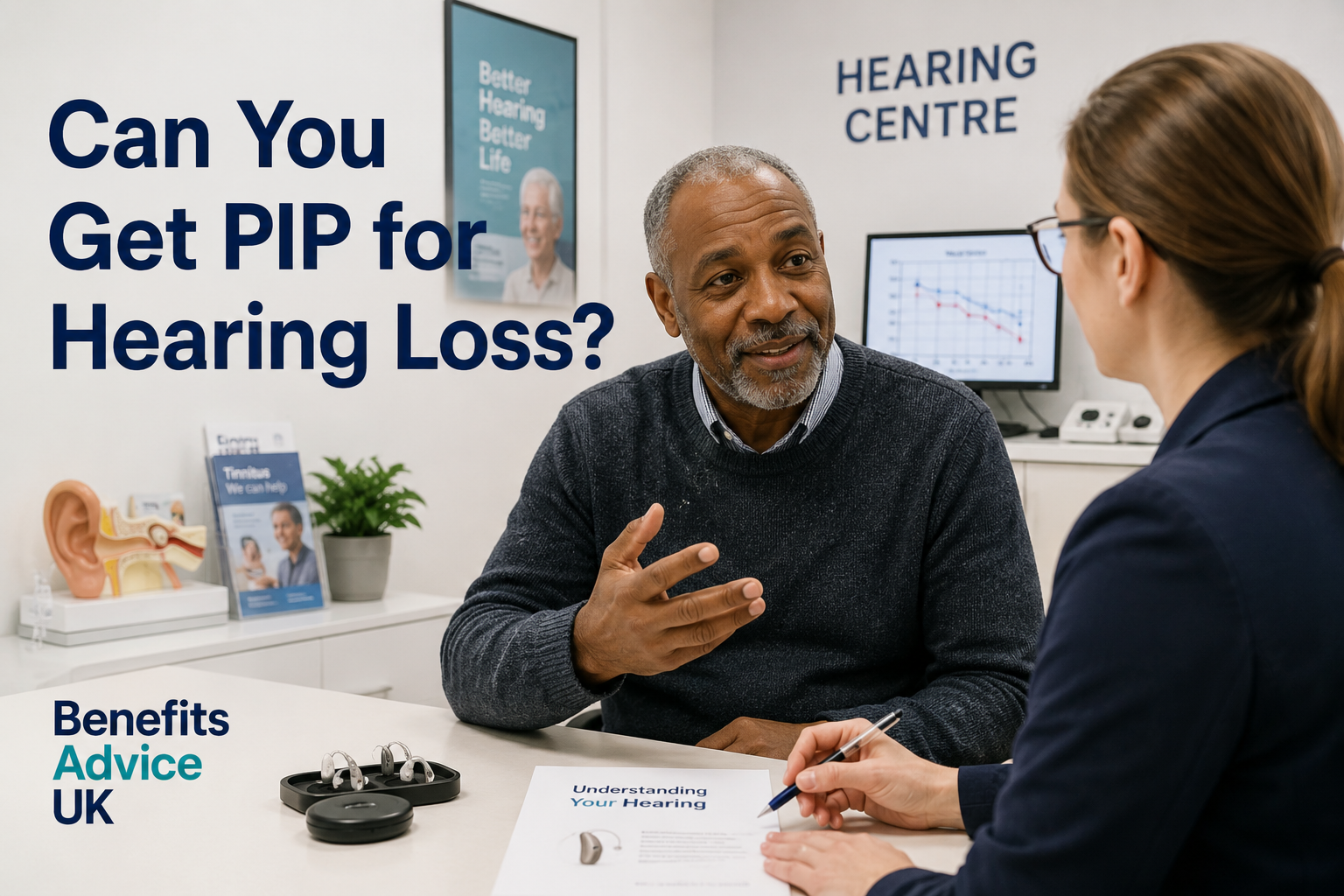
Many people living with hearing loss wonder whether they qualify for Personal Independence Payment, commonly known as PIP. The answer depends on how your hearing condition affects your everyday life rather than the medical diagnosis itself.
Whether you are profoundly deaf, have moderate hearing loss, wear hearing aids or experience communication difficulties, you may be entitled to PIP if your condition makes daily living or getting around more difficult.
This guide explains who can claim, how eligibility is assessed, what evidence you should provide and how to give your claim the best possible chance of success.
Yes. You can receive Personal Independence Payment if your hearing loss causes significant difficulties with daily living activities or mobility.
PIP is not awarded because you have hearing loss alone. Instead, the Department for Work and Pensions looks at how your condition affects your ability to communicate, manage everyday tasks safely, repeatedly, within a reasonable time and to an acceptable standard.
Many people with hearing loss successfully receive PIP, particularly where communication difficulties, safety concerns or additional health conditions affect everyday life.
Personal Independence Payment is a benefit designed to help people with the extra costs of living with a long term disability or health condition.
Hearing loss may qualify if it creates ongoing challenges in everyday life.
PIP is:
The assessment focuses on how your hearing loss affects your daily functioning rather than the name of your medical condition.
You may qualify if:
You could qualify whether your hearing loss is:
The assessment considers how your hearing loss affects specific activities.
Some of the most relevant Daily Living activities include:
This looks at whether you can:
People with hearing loss often rely more heavily on written information.
If communication barriers affect understanding instructions or important information, this may be relevant.
The assessment considers whether hearing loss makes social interaction difficult because of communication barriers, anxiety or misunderstanding conversations.
In some cases, communication problems may affect understanding financial information.
Yes.
Although hearing loss mainly affects Daily Living, some people may also qualify for the Mobility component if they:
| Points | Outcome |
|---|---|
| 8 to 11 | Standard Rate |
| 12 or more | Enhanced Rate |
Points are awarded across Daily Living and Mobility separately.
You do not need points in every activity.
No.
Your earnings do not affect your entitlement.
You can receive PIP if you:
Your ability to work does not automatically prevent you receiving PIP.
No.
There is no savings limit.
Whether you have:
your savings alone will not affect your eligibility.
You may receive one or both components.
| Component | Standard Rate | Enhanced Rate |
| Daily Living | Current Government rate | Higher Government rate |
| Mobility | Current Government rate | Higher Government rate |
Your award depends entirely on your assessment score.
Payments are usually made every four weeks.
The DWP wants to understand how hearing loss affects everyday activities.
Examples include:
The assessment looks at what happens most of the time.
The process normally involves the following steps.
Start your claim by contacting the Department for Work and Pensions.
Complete the How Your Disability Affects You form.
Provide detailed explanations rather than simply writing “hearing loss.”
Explain exactly what happens during everyday situations.
Gather supporting evidence.
Attend an assessment if required.
Assessments may take place:
Receive the decision letter.
If unsuccessful, you have the right to challenge the decision.
Strong evidence often improves a claim.
Useful evidence may include:
The strongest evidence explains how hearing loss affects everyday activities.
| Situation | Likely Outcome |
| Hearing loss with no significant daily difficulties | May not qualify |
| Hearing loss causing communication problems every day | May qualify for Daily Living |
| Hearing loss with additional disabilities | Greater chance of qualifying |
| Deaf person needing support with communication | May score significant points |
| Hearing loss affecting safe travel | May qualify for Mobility |
Every claim is assessed individually.
Many claims are unsuccessful because applicants do not explain their difficulties clearly.
Common mistakes include:
Remember that PIP assesses what you can do reliably.
This means whether you can complete an activity:
Sarah wears two hearing aids.
She struggles to understand conversations in noisy places, regularly misunderstands healthcare professionals and relies heavily on lip reading.
During her assessment she explains how these difficulties affect communication every day.
She receives the Standard Rate Daily Living component.
Michael has profound hearing loss and communicates mainly through British Sign Language.
He needs support attending appointments and travelling to unfamiliar places.
He receives Enhanced Daily Living together with the Mobility component.
Emma has mild hearing loss but experiences no significant communication difficulties.
She works, drives safely and manages daily activities independently.
Although she has hearing loss, she does not score enough points for PIP.
Yes.
You should tell the Department for Work and Pensions if:
Changes may affect your award.
Depending on your circumstances you may also qualify for:
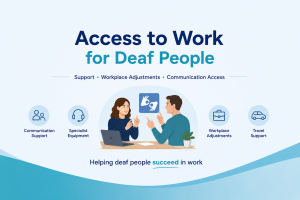
You may also benefit from specialist equipment funded through Access to Work if you are employed.
This article has been reviewed against current UK Government guidance on Personal Independence Payment.
The information reflects the current rules on:
As Government guidance and payment rates may change, always check the latest official information before making a claim.
Yes. Wearing hearing aids does not prevent you from receiving PIP. The assessment considers how well you function even when using appropriate aids.
No. Deafness alone does not automatically qualify. Your award depends on how your condition affects everyday life.
Yes. If mild hearing loss still causes significant communication or daily living difficulties, you may qualify.
Tinnitus may contribute to a successful claim if it causes substantial daily difficulties alongside hearing loss or other conditions.
No. Many people work while receiving PIP.
Yes. Audiology reports can provide useful supporting evidence, but everyday functional difficulties are equally important.
No. Children usually claim Disability Living Allowance. PIP normally applies from age 16.
Yes. You can request a Mandatory Reconsideration and, if necessary, appeal to an independent tribunal.
Yes. Many people receive both benefits at the same time if they meet the eligibility rules.
Times vary depending on individual circumstances, evidence gathering and assessment availability. Some claims are decided within a few months, while others take longer.
Yes. Many people with hearing loss qualify for Personal Independence Payment, but entitlement depends on how the condition affects everyday living and mobility rather than the diagnosis itself.
Providing detailed descriptions of your daily challenges, supported by strong medical and practical evidence, gives the decision maker the clearest picture of your needs.
If your hearing loss affects communication, safety, independence or travelling, it is worth considering whether you may be entitled to claim.
Benefits Advice UK provides free information to help people better understand the UK benefits system. Always check the latest Government guidance before making financial decisions.

Information on this site is based on official UK guidance.
About our information and sources


Sign up for our newsletter to receive updates when there are changes to Universal Credit.