Can You Get PIP for Fibromyalgia

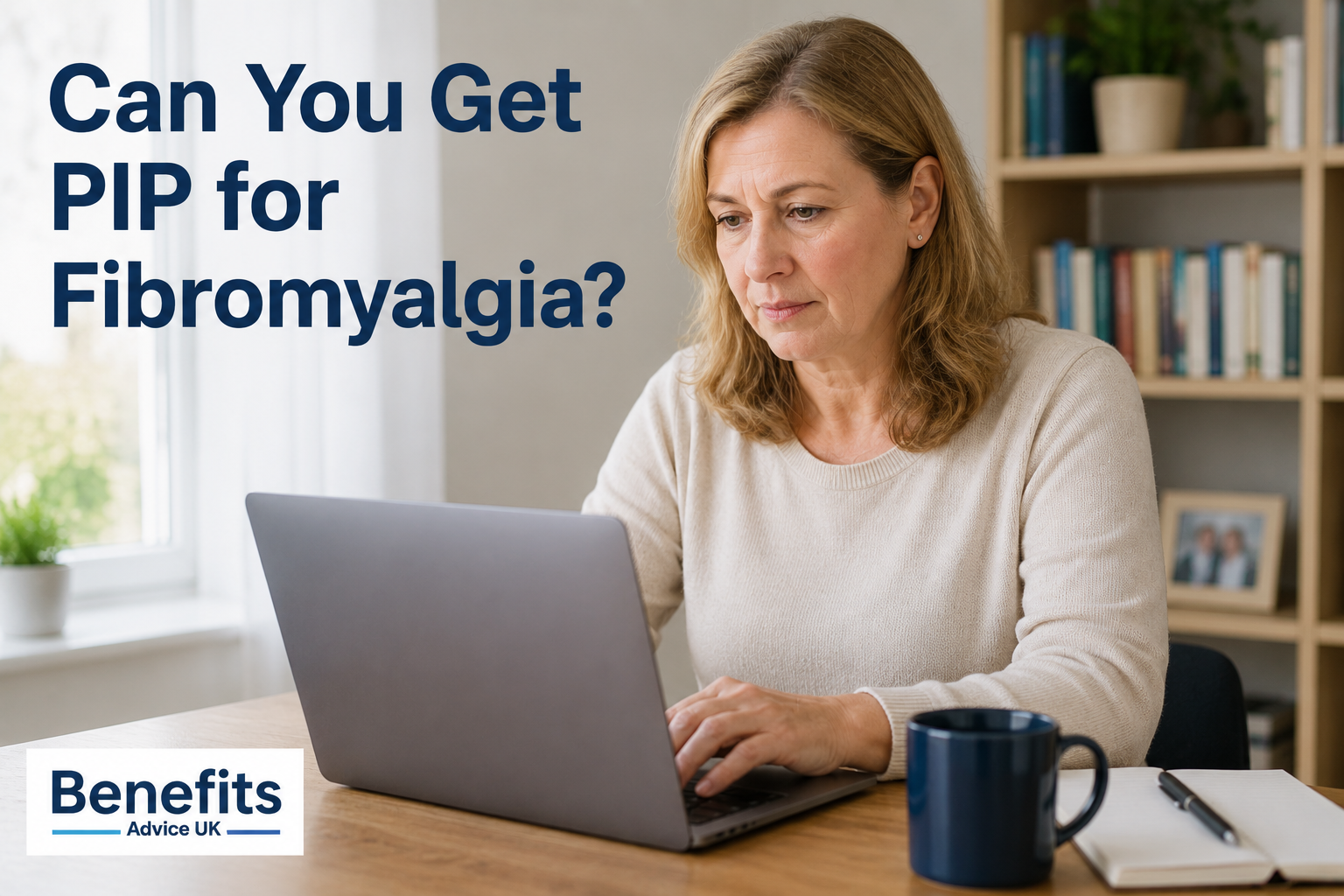
Can You Get PIP for Fibromyalgia?

Living with fibromyalgia can affect almost every part of daily life. Persistent pain, overwhelming fatigue, poor sleep, memory problems and difficulty concentrating can make simple tasks feel exhausting. Many people wonder whether these challenges could make them eligible for Personal Independence Payment, commonly known as PIP.

The good news is that fibromyalgia itself can qualify for PIP if your symptoms have a significant impact on your ability to carry out everyday activities or move around. A diagnosis alone is not enough, but the effect the condition has on your daily life is what matters.

This guide explains everything you need to know about claiming PIP for fibromyalgia, including eligibility, payments, evidence, the application process and practical tips to help you make a stronger claim.


Quick Answer

Can You Get PIP for Fibromyalgia?

Yes. You can get PIP for fibromyalgia if your condition makes it difficult to carry out everyday living activities or affects your mobility.

PIP is awarded based on how your symptoms affect your daily life rather than the name of your medical condition. Many people with fibromyalgia successfully receive PIP because of chronic pain, fatigue, cognitive difficulties, stiffness or reduced mobility.


What Is PIP for Fibromyalgia?

PIP is a benefit designed to help people aged 16 and over who have a long term physical or mental health condition or disability.

Fibromyalgia is recognised as a long term medical condition that can cause symptoms including:

  • Widespread pain
  • Severe tiredness
  • Muscle stiffness
  • Joint pain
  • Poor balance
  • Sleep problems
  • Brain fog
  • Memory difficulties
  • Anxiety
  • Depression
  • Sensitivity to light, sound or temperature

The Department for Work and Pensions assesses how these symptoms affect your daily life rather than simply considering your diagnosis.

Condition Can You Claim PIP?
Fibromyalgia with mild symptoms Possibly but not guaranteed
Fibromyalgia affecting daily activities Often eligible
Fibromyalgia causing mobility problems May qualify for Mobility Component
Fibromyalgia with severe fatigue and pain May qualify for both components

Who Can Claim PIP for Fibromyalgia?

You may qualify if your symptoms have affected you for at least three months and are expected to continue for at least another nine months.

Generally you must:

  • Be aged 16 or over and below State Pension age when first claiming
  • Have lived in the UK under the normal residence rules
  • Meet the presence and residence requirements
  • Have a health condition lasting at least twelve months in total

Your claim is based on how your condition affects your daily functioning rather than whether you can work.


What Are the Eligibility Requirements for PIP with Fibromyalgia?

PIP uses a points based assessment covering two separate areas.

Daily Living

This considers whether you have difficulty with:

  • Preparing food
  • Eating and drinking
  • Washing and bathing
  • Managing medication
  • Dressing
  • Communicating
  • Reading
  • Mixing with other people
  • Managing money

Mobility

This considers your ability to:

  • Plan and follow journeys
  • Walk safely and reliably

You receive points depending on the level of assistance you need.

Component Standard Rate Enhanced Rate
Daily Living 8 to 11 points 12 or more points
Mobility 8 to 11 points 12 or more points

The assessment looks at whether you can complete activities:

  • Safely
  • To an acceptable standard
  • Repeatedly
  • Within a reasonable time

Many people with fibromyalgia experience fluctuating symptoms. If your condition affects you on more than half the days over a twelve month period, those difficulties should be taken into account.


Does Your Income Affect PIP?

No.

PIP is not means tested.

Your income does not affect your entitlement.

You can receive PIP whether you:

  • Work full time
  • Work part time
  • Are unemployed
  • Receive Universal Credit
  • Receive a pension
  • Have savings

Do Savings Affect PIP?

No.

Unlike many other benefits, PIP has no savings limit.

Whether you have:

  • £500
  • £5000
  • £50000

your savings will not affect your eligibility.


How Much Could You Receive?

PIP consists of two components.

You may receive one or both depending on your assessment.

Component Weekly Payment
Daily Living Standard Rate Current Government rate
Daily Living Enhanced Rate Current Government rate
Mobility Standard Rate Current Government rate
Mobility Enhanced Rate Current Government rate

Payments are normally made every four weeks directly into your bank account.

Annual payment increases usually occur each April in line with Government decisions.


How Does Fibromyalgia Score Points for PIP?

Many successful claims are based on how fibromyalgia affects everyday activities.

Examples include:

Difficulty Possible PIP Activity
Constant fatigue Preparing food
Pain standing Washing and bathing
Brain fog Managing medication
Memory problems Managing finances
Poor balance Mobility assessment
Walking difficulties Moving around

Each person’s symptoms are different.

Two people with fibromyalgia may receive completely different awards depending on how their condition affects them.


How Do You Apply for PIP?

Applying involves several stages.

Step One

Start your claim by contacting the Department for Work and Pensions.

Basic information is taken including:

  • National Insurance number
  • Contact details
  • GP details
  • Bank account

Step Two

Complete the How Your Disability Affects You form.

This is one of the most important parts of the process.

Be honest and explain:

  • What happens on your worst days
  • How often symptoms occur
  • Whether tasks take longer
  • What help you need
  • How pain and fatigue affect you

Provide detailed examples rather than simple yes or no answers.

Step Three

Send supporting evidence.

Step Four

Attend an assessment if required.

Assessments may be:

  • Telephone
  • Video
  • Face to face
  • Paper based

Step Five

Receive a written decision.


What Documents Will You Need?

Strong evidence can improve your claim.

Useful documents include:

  • GP records
  • Hospital letters
  • Rheumatology reports
  • Pain clinic reports
  • Occupational therapy reports
  • Physiotherapy reports
  • Medication lists
  • Prescription history
  • Mental health records if relevant
  • Care plans
  • Symptom diary

A diary showing how fibromyalgia affects you over several weeks can be particularly valuable.


What Happens During a PIP Assessment?

The assessor wants to understand how your condition affects your everyday life.

Typical questions include:

  • Can you prepare a meal?
  • Can you dress yourself?
  • How far can you walk?
  • Do you need reminders?
  • Can you safely wash?
  • Do you use mobility aids?
  • Do you experience pain every day?

Answer honestly.

Do not exaggerate.

Do not minimise your difficulties either.

Explain what happens on most days.


What Common Mistakes Should You Avoid?

Many claims are unsuccessful because important information is missing.

Avoid these common mistakes.

Focusing only on your diagnosis

Explain how fibromyalgia affects your daily activities rather than simply stating you have the condition.

Underplaying symptoms

Many people try to appear positive and unintentionally minimise their difficulties.

Forgetting cognitive symptoms

Brain fog, poor concentration and memory problems can all be relevant.

Sending little evidence

Medical records and supporting letters strengthen your application.

Giving very short answers

Detailed real life examples often provide much stronger evidence than one sentence responses.


Real Life Examples

Example One

Sarah experiences severe fatigue after standing for ten minutes.

Preparing meals often leaves her needing to rest for an hour afterwards.

She scores points for preparing food because she cannot safely complete the activity without significant difficulty.


Example Two

Michael experiences constant widespread pain and walks very slowly.

He cannot walk more than a short distance without stopping.

He qualifies for the Mobility Component because his walking ability is significantly restricted.


Example Three

Emma experiences severe brain fog.

She regularly forgets medication and cannot manage household finances without support from her partner.

These difficulties contribute towards her Daily Living score.


Can You Work and Still Receive PIP?

Yes.

Many people with fibromyalgia continue working while receiving PIP.

Employment does not automatically prevent you receiving the benefit.

However, if your work appears inconsistent with what you tell the DWP, they may ask additional questions.

Always explain:

  • Adjustments at work
  • Reduced hours
  • Home working arrangements
  • Support received
  • Difficulties outside work

What Happens If Your Circumstances Change?

Tell the DWP if:

  • Your symptoms improve significantly
  • Your condition becomes worse
  • Your mobility changes
  • You move home
  • Your bank details change
  • Your name changes

If your condition worsens, you may be able to request your award is looked at again.


What Other Benefits Can You Claim Alongside PIP?

Receiving PIP may increase entitlement to other financial support.

Depending on your circumstances, you could also qualify for:

  • Universal Credit
  • Employment and Support Allowance
  • Carer’s Allowance
  • Council Tax Reduction
  • Housing Benefit in limited situations
  • Disabled Facilities Grants
  • Motability Scheme if you receive the enhanced Mobility Component
  • Blue Badge parking scheme

Each benefit has separate eligibility rules.


Information Reviewed Against Current UK Government Guidance and Official Sources

This article has been reviewed against current UK Government guidance relating to Personal Independence Payment.

Information reflects the principles used when assessing:

  • Daily Living activities
  • Mobility activities
  • PIP eligibility
  • Means testing rules
  • Residence requirements
  • Supporting evidence

Benefit rules can change, so always check the latest official Government guidance before making or changing a claim.


Frequently Asked Questions

Can fibromyalgia automatically qualify for PIP?

No. Your diagnosis alone does not guarantee an award. The assessment looks at how your symptoms affect daily living and mobility.

Is fibromyalgia recognised by the DWP?

Yes. Fibromyalgia is recognised as a long term medical condition, but entitlement depends on its impact rather than the diagnosis itself.

Can you get the enhanced rate of PIP for fibromyalgia?

Yes. If your symptoms score enough points, you may receive the enhanced rate for Daily Living, Mobility or both.

Can you receive Universal Credit and PIP together?

Yes. Many people receive both benefits.

Will working stop my PIP claim?

No. You can work and still receive PIP if you meet the assessment criteria.

Does fibromyalgia count as a disability?

It can. Many people with fibromyalgia meet the legal definition of disability under the Equality Act because the condition has a substantial and long term effect on daily activities.

Can mental health symptoms caused by fibromyalgia be included?

Yes. Anxiety, depression and cognitive difficulties can all be considered where relevant.

Do I need medical evidence?

Although not legally essential, strong supporting evidence usually improves your claim.

How long does a PIP claim take?

Processing times vary depending on demand, assessments and evidence required.

Can I challenge a PIP decision?

Yes. If you disagree with the decision, you can request a Mandatory Reconsideration. If you still disagree after that, you may appeal to an independent tribunal.


Useful Government Resources

The following official resources provide the latest information about Personal Independence Payment:

  • GOV.UK Personal Independence Payment guidance
  • Department for Work and Pensions
  • Citizens Advice
  • NHS guidance on fibromyalgia
  • Local authority welfare support services

Conclusion

Fibromyalgia can have a profound impact on everyday life, affecting mobility, independence, work and personal wellbeing. While a diagnosis alone does not guarantee Personal Independence Payment, many people with fibromyalgia qualify because of the way their symptoms limit daily activities or movement.

The key to a successful claim is explaining clearly how your condition affects you on most days, providing detailed examples and including as much relevant medical evidence as possible. Remember that the assessment focuses on what you can do safely, repeatedly, to an acceptable standard and within a reasonable time.

If your symptoms make everyday tasks difficult, it is worth exploring whether you may be entitled to support.

Benefits Advice UK provides free information to help people better understand the UK benefits system. Always check the latest Government guidance before making financial decisions.

imporatant_image

Important

Information on this site is based on official UK guidance.

About our information and sources
Inbox Background
Newsletter Image

Get the latest updates to your inbox

Sign up for our newsletter to receive updates when there are changes to Universal Credit.