How to Get a Mobile Phone on PIP

How to Get a Mobile Phone on PIP

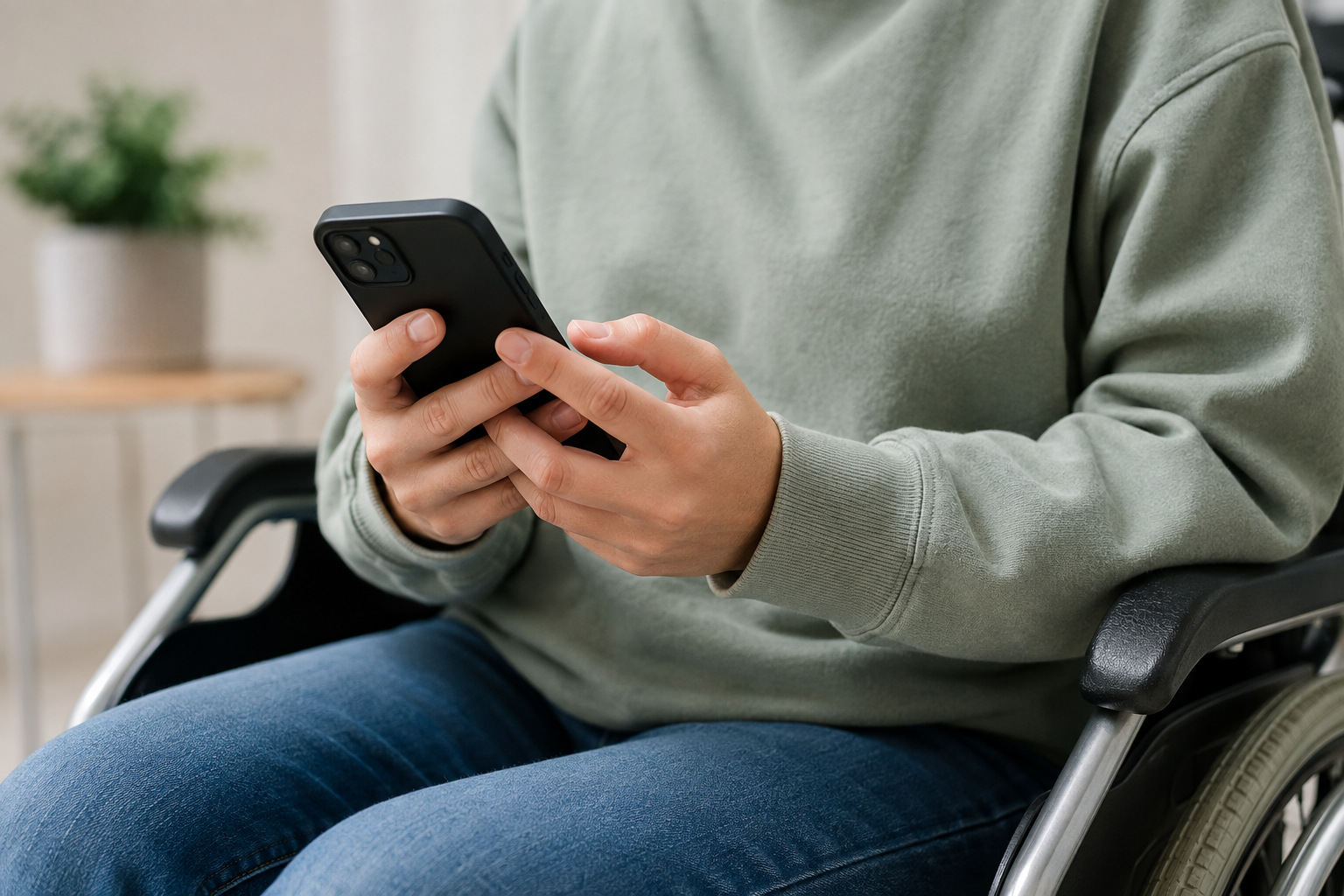
If you receive Personal Independence Payment (PIP), you may have heard that you can get a mobile phone because of your benefit. While there is no official Government scheme that gives every PIP claimant a free mobile phone, receiving PIP can make you eligible for discounted mobile phone contracts, specialist accessibility devices, charitable grants and financial support that can help you obtain a suitable phone.

For many disabled people, a mobile phone is far more than a way to make calls. It can provide independence, improve safety, help manage medical appointments, support communication and allow easier access to essential services.

This guide explains exactly how to get a mobile phone on PIP, who may qualify, where to look for support and the common mistakes to avoid.


Quick Answer

Can you get a mobile phone on PIP?

Yes, but not directly from the Government.

PIP itself does not provide a free mobile phone. However, receiving PIP can improve your eligibility for:

  • Charitable grants
  • Disability support organisations
  • Accessible mobile devices
  • Discounted mobile phone contracts
  • Local authority welfare assistance
  • Budgeting support
  • Other grants designed to improve independence and communication

The type of help available depends on your circumstances, financial situation and the organisations operating in your local area.


What Is Getting a Mobile Phone on PIP?

What does getting a mobile phone on PIP actually mean?

Getting a mobile phone on PIP usually refers to receiving financial help or access to affordable technology because you receive Personal Independence Payment.

Rather than a national Government phone scheme, support often comes from:

Source What it may provide
Charities Grants towards a mobile phone
Local welfare schemes Emergency financial assistance
Disability organisations Specialist communication devices
Mobile providers Discounted contracts or flexible payment plans
Social workers Referrals to grant providers

Many organisations recognise that mobile phones have become essential for daily living, particularly for disabled people who rely on communication, navigation or emergency support.


Who Can Claim a Mobile Phone Through PIP?

Who may qualify for support?

Receiving PIP alone does not automatically entitle someone to a phone.

However, people receiving PIP may have stronger applications if they also:

  • Have a disability affecting communication
  • Need emergency contact facilities
  • Live independently
  • Require accessibility technology
  • Have limited income
  • Experience financial hardship
  • Need digital access for healthcare or employment

Many grant providers assess overall need rather than simply checking benefit entitlement.


Eligibility Requirements

What are the eligibility requirements?

Eligibility varies depending on the organisation providing support.

Typical requirements include:

  • Receiving PIP
  • Living in the United Kingdom
  • Being on a low income
  • Having little disposable income
  • Demonstrating a genuine need
  • Showing how a phone will improve independence or wellbeing

Some organisations may also ask whether you receive:

  • Universal Credit
  • Employment and Support Allowance
  • Pension Credit
  • Housing Benefit
  • Income Support

The more evidence you can provide, the stronger your application may be.


Income Rules

Does income affect eligibility?

Yes.

Many grant providers use household income when deciding whether to award assistance.

Generally, organisations look at:

  • Monthly income
  • Essential household bills
  • Rent or mortgage costs
  • Disability related expenses
  • Existing debts
  • Financial hardship

Someone receiving PIP but with a high household income may not qualify for some grants.


Savings Rules

Do savings affect eligibility?

Sometimes.

Unlike PIP itself, many charities consider savings before awarding grants.

Typical considerations include:

Savings Level Possible Outcome
Low savings Higher chance of support
Moderate savings May receive partial help
Significant savings Grant may be refused

Every organisation applies its own assessment.


How Much Could You Receive?

How much financial help is available?

Support varies considerably.

Examples include:

Type of Support Typical Assistance
Charity grant Full cost of a phone
Partial grant Contribution towards purchase
Accessibility funding Specialist smartphone features
Local welfare scheme Emergency technology support
Interest free budgeting Affordable repayments

Some charities may pay for:

  • Basic smartphones
  • Accessibility software
  • Specialist communication devices
  • Phone accessories
  • Charging equipment

Others may simply contribute towards the overall cost.


How To Apply

How do you apply for help getting a mobile phone?

The process usually involves several steps.

Step 1

Confirm you receive PIP.

Step 2

Identify suitable grant providers or local welfare schemes.

Step 3

Complete the application form.

Step 4

Provide supporting evidence.

Step 5

Explain why the phone is needed.

Step 6

Wait for the assessment.

Applications may take several weeks depending on demand.


What Documents Will You Need?

What evidence should you prepare?

You may be asked for:

  • PIP award letter
  • Proof of identity
  • Proof of address
  • Bank statements
  • Income details
  • Benefit letters
  • Medical evidence
  • Occupational therapist reports
  • Social worker referral
  • Quotes for the phone required

Providing complete documentation helps reduce delays.


What Types of Mobile Phones Can Be Funded?

Are specialist phones available?

Yes.

Some organisations may fund phones designed for specific disabilities.

Examples include:

Need Suitable Device Features
Visual impairment Screen reader, voice control
Hearing impairment Hearing aid compatibility
Dexterity difficulties Large buttons or voice commands
Cognitive conditions Simplified interface
Communication support Accessibility applications

Modern smartphones also include built in accessibility features that may reduce the need for specialist equipment.


Can PIP Help You Afford a Mobile Phone Contract?

Can PIP be used towards monthly phone bills?

PIP is not restricted to specific spending.

Once paid, PIP can be used however the claimant chooses.

Some people use part of their PIP towards:

  • Mobile contracts
  • SIM only plans
  • Pay as you go services
  • Internet access
  • Accessibility apps
  • Emergency communication

Because PIP is intended to help with extra disability related costs, many people decide that reliable communication is an important part of maintaining independence.


Common Mistakes To Avoid

What mistakes should you avoid?

Many applications fail because of avoidable errors.

Common mistakes include:

  • Assuming PIP automatically provides a phone
  • Applying without supporting evidence
  • Not explaining why the phone is needed
  • Applying to only one organisation
  • Missing application deadlines
  • Providing incomplete financial information
  • Forgetting to include medical evidence where relevant

Taking time to prepare a complete application can improve your chances.


Examples And Real Life Scenarios

Example One

Sarah receives the Daily Living component of PIP because of multiple sclerosis.

Her existing phone stopped working and she relies on video consultations with hospital specialists.

A disability charity awarded funding towards a smartphone with accessibility features, helping her remain independent.


Example Two

David receives both PIP and Universal Credit.

His local welfare assistance scheme provided emergency support after his phone was stolen, allowing him to continue managing benefit claims and attending job interviews.


Example Three

Ahmed has significant hearing loss.

Following a referral from his support worker, a charity helped fund a hearing aid compatible smartphone that improved his communication with family and healthcare professionals.


Frequently Asked Questions

Can I get a free mobile phone because I receive PIP?

No. There is no nationwide Government scheme that automatically provides free mobile phones to PIP claimants.


Can I spend my PIP on a mobile phone?

Yes. PIP is paid directly to you and you decide how to spend it.


Will receiving PIP improve my chances of getting a grant?

Often yes. Many charities consider disability benefits when assessing applications.


Can I get help with a smartphone?

Yes. Some organisations provide grants towards smartphones, particularly where accessibility features are required.


Can I apply if I receive Universal Credit as well?

Yes. Receiving multiple qualifying benefits may strengthen some grant applications.


Can I get help with phone bills?

Some charities and local welfare schemes may assist in cases of financial hardship, although support varies.


Do I need medical evidence?

Some organisations request medical evidence, while others only require proof of benefit entitlement.


Can carers apply on behalf of someone?

Often yes. Many organisations accept applications from carers, social workers or support workers.


How long do applications take?

Timescales vary from a few weeks to several months depending on funding availability.


Can I apply to more than one charity?

Yes. Unless the organisation states otherwise, you can usually approach multiple grant providers.


Related Benefits And Support Available

What other support may be available?

Receiving PIP may also help you access other forms of support.

These may include:

  • Universal Credit
  • Attendance Allowance
  • Carer’s Allowance
  • Disabled Facilities Grants
  • Blue Badge Scheme
  • Motability Scheme
  • Local welfare assistance
  • Household Support Fund where available through your local authority
  • Social tariffs for broadband and phone services from participating providers
  • Charitable grants for disability equipment

Each scheme has its own eligibility criteria.


Useful Government Resources

Where can you find official information?

The most reliable information comes from official Government guidance and recognised support organisations.

Useful resources include:

  • GOV.UK Personal Independence Payment guidance
  • GOV.UK Benefits information
  • Local council welfare assistance schemes
  • Citizens Advice
  • Disability Rights UK
  • Turn2us Grant Search
  • Motability Foundation

These organisations can provide up to date guidance on financial support and grant opportunities.


Information Reviewed Against Current UK Government Guidance And Official Sources

This article has been reviewed against current UK Government guidance relating to Personal Independence Payment and disability support.

It also reflects established guidance from recognised welfare advice organisations and charities that provide financial assistance to disabled people.

As eligibility rules and funding programmes can change, you should always confirm the latest information before submitting an application.


Conclusion

Although there is no Government scheme that automatically provides a free mobile phone simply because you receive PIP, there are many ways that PIP can help you access affordable technology.

Receiving PIP can strengthen applications for charitable grants, local welfare assistance and disability support programmes that recognise the importance of staying connected. A suitable mobile phone can improve independence, safety, communication and access to essential services, making it a valuable part of everyday life for many disabled people.

Before applying, gather your evidence, explain your circumstances clearly and explore more than one source of support. Taking a careful and informed approach can improve your chances of receiving assistance.

Benefits Advice UK provides free information to help people better understand the UK benefits system. Always check the latest Government guidance before making financial decisions.

imporatant_image

Important

Information on this site is based on official UK guidance.

About our information and sources
Inbox Background
Newsletter Image

Get the latest updates to your inbox

Sign up for our newsletter to receive updates when there are changes to Universal Credit.