How to Get Help with Transport Costs on PIP

How to Get Help with Transport Costs on PIP

Travelling can become difficult and expensive if you live with a disability or long term health condition. Whether you need to attend medical appointments, travel to work, visit family or simply remain independent, Personal Independence Payment (PIP) may help reduce some of those transport costs.

This guide explains how to get help with transport costs on PIP, who qualifies, what financial support may be available and how to apply. It also covers the Motability Scheme, public transport discounts, grants and other support that may help you travel more easily.

Quick Answer

How do you get help with transport costs on PIP?

If you receive the Enhanced Rate of the Mobility component of Personal Independence Payment, you may be able to exchange your mobility payments to lease a vehicle, powered wheelchair or scooter through the Motability Scheme. Even if you receive the Standard Rate, you may still qualify for discounted public transport, local authority travel schemes, Blue Badge parking, grants from charities and other travel assistance depending on your circumstances.


What Is Help with Transport Costs on PIP?

Help with transport costs on PIP refers to financial support and schemes that make travelling easier and more affordable for disabled people.

PIP itself is not specifically a transport benefit. Instead, it includes a Mobility component designed to help people who have difficulty moving around or planning and following journeys.

Depending on your award, you could receive support through:

  • The Mobility component of PIP
  • The Motability Scheme
  • Blue Badge parking
  • Disabled Persons Railcard
  • Local concessionary travel schemes
  • Community transport services
  • Hospital travel cost support
  • Charitable grants
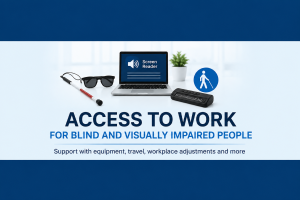
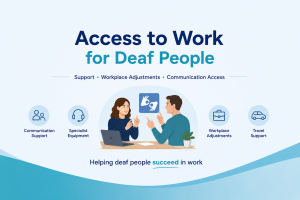
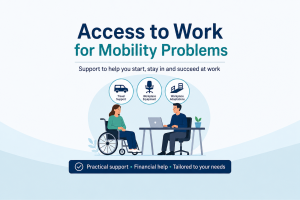
  • Access to Work for employed people

Many people combine several of these forms of support to reduce their overall travel costs.


Who Can Claim Help with Transport Costs on PIP?

Anyone who receives the Mobility component of Personal Independence Payment may be eligible for some form of transport assistance.

The exact help available depends on:

  • Your PIP Mobility award
  • Your age
  • Where you live
  • Your mobility needs
  • Your employment status
  • Whether you need assistance travelling

Different schemes have different eligibility rules.


Who Qualifies for the Mobility Component of PIP?

You may qualify if you have a long term physical or mental health condition that affects your ability to:

  • Walk safely
  • Walk a reasonable distance
  • Plan journeys
  • Follow unfamiliar routes
  • Travel independently

The Department for Work and Pensions assesses how your condition affects everyday life rather than your medical diagnosis.


Eligibility Requirements

What are the eligibility requirements for transport support through PIP?

The answer depends on which type of help you are applying for.

Type of Support Main Requirement
Motability Scheme Enhanced Rate Mobility component
Blue Badge Usually mobility difficulties or certain PIP awards
Disabled Persons Railcard Qualifying disability
Local travel concessions Local council rules
Hospital travel support Low income and qualifying treatment
Community transport Local eligibility rules

Receiving PIP does not automatically qualify you for every transport scheme.


Income Rules

Does your income affect transport help on PIP?

In most cases, no.

PIP is not means tested.

This means your:

  • Earnings
  • Savings
  • Investments
  • Pension income

do not affect your entitlement to PIP itself.

Some additional travel assistance schemes may have separate financial assessments, particularly grants and hospital travel cost support.


Savings Rules

Do savings affect transport help on PIP?

For PIP itself, there are no savings limits.

You can receive PIP regardless of how much money you have saved.

However, some charitable grants and means tested schemes may consider:

  • Household income
  • Savings
  • Capital
  • Financial hardship

Always check the rules for each scheme individually.


How Much Could You Receive?

How much help can you get with transport costs on PIP?

PIP does not provide a separate transport payment.

Instead, your Mobility component can be used however you choose.

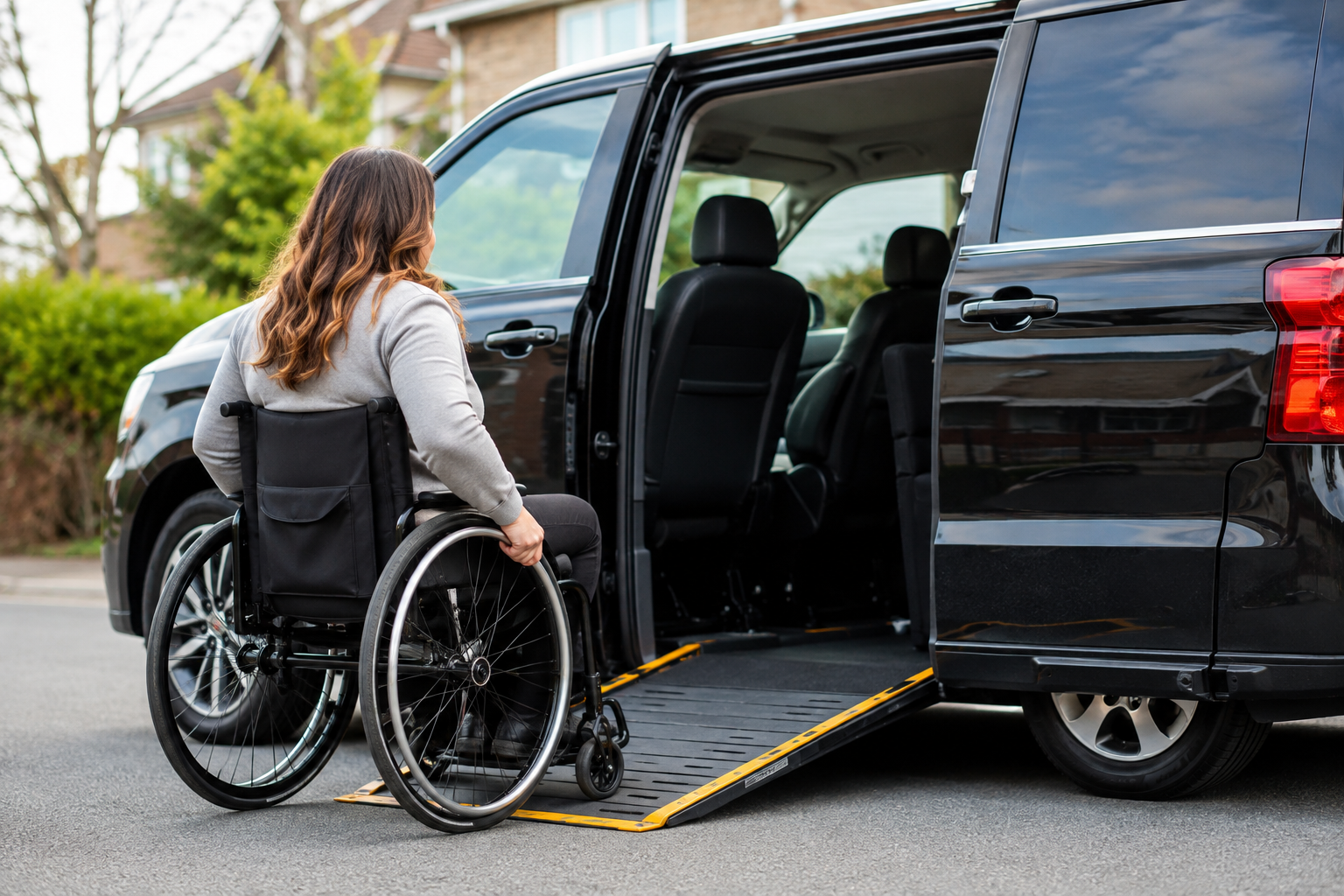
If you receive the Enhanced Rate Mobility component, you may use it to lease:

  • A new car
  • Wheelchair accessible vehicle
  • Electric vehicle
  • Powered wheelchair
  • Mobility scooter

The Motability lease generally includes:

  • Insurance
  • Servicing
  • Maintenance
  • Breakdown cover
  • Tyre replacement
  • Road tax

This allows many disabled people to budget more easily because many motoring costs are included.

If you choose not to join Motability, you continue receiving your Mobility payments directly.


How To Apply

How do you apply for help with transport costs on PIP?

The process depends on the support you need.

Step One

Apply for Personal Independence Payment if you do not already receive it.

Step Two

Complete your PIP assessment.

Step Three

Receive your decision.

Step Four

If awarded the Enhanced Mobility Rate, decide whether the Motability Scheme suits your needs.

Step Five

Apply separately for:

  • Blue Badge
  • Railcard
  • Local travel concessions
  • Access to Work
  • Charity grants

Each scheme has its own application process.


What Documents Will You Need?

What documents are needed?

Depending on the scheme, you may need:

  • National Insurance number
  • PIP award letter
  • Proof of identity
  • Proof of address
  • Medical information
  • Driving licence if leasing a vehicle
  • Details of your mobility needs
  • Evidence of financial hardship for certain grants

Having these documents ready can speed up applications.


What Transport Help Can You Get Through the Motability Scheme?

The Motability Scheme is one of the best known transport support schemes available.

It allows eligible people to exchange their Mobility payments for a leased vehicle.

You can choose from thousands of vehicles, including adapted cars where required.

Many adaptations can be fitted to help people drive or travel safely.

The scheme is designed to remove much of the financial uncertainty associated with owning a vehicle.


Can You Get Help with Public Transport?

Yes.

Many people receiving PIP qualify for reduced travel costs.

Possible support includes:

  • Disabled Persons Railcard
  • Free or discounted bus travel
  • Community transport
  • Taxi voucher schemes in some council areas
  • Companion travel schemes
  • Discounted ferry travel in some regions

Availability depends on where you live.


Can You Get a Blue Badge with PIP?

Yes.

Many people receiving the Mobility component of PIP qualify for a Blue Badge.

A Blue Badge can make parking easier by allowing holders to park closer to their destination in many locations.

Eligibility depends on your mobility difficulties and your PIP award.

Applications are made through your local council.


Can You Get Help Travelling to Work?

Yes.

If you work or are about to start work, you may qualify for Access to Work support.

This can help pay towards:

  • Taxi fares
  • Specialist transport
  • Adapted vehicles
  • Travel support workers
  • Equipment

Access to Work is separate from PIP.

You may qualify for both.


Can You Get Help with Hospital Travel Costs?

Some people receiving benefits may also qualify for help with travel costs to NHS appointments.

This depends on:

  • Income
  • Type of benefit received
  • Medical treatment

You usually need to keep receipts when claiming reimbursement.


Common Mistakes To Avoid

What mistakes should you avoid?

Avoid these common errors:

  • Assuming PIP automatically provides a free car
  • Believing everyone with PIP qualifies for Motability
  • Forgetting to renew Blue Badge applications
  • Not reporting changes in circumstances
  • Missing review deadlines
  • Throwing away PIP award letters
  • Applying for only one type of transport support
  • Assuming income affects PIP eligibility

Checking all available schemes could significantly reduce your transport costs.


Examples and Real Life Scenarios

Example One

Situation Outcome
Sarah receives Enhanced Mobility PIP because of multiple sclerosis She joins the Motability Scheme and leases an adapted vehicle that includes insurance and servicing.

Example Two

Situation Outcome
David receives Standard Mobility PIP He keeps his mobility payments, applies for a Disabled Persons Railcard and receives discounted rail travel.

Example Three

Situation Outcome
Fatima works part time and receives PIP She also qualifies for Access to Work support to help with taxi journeys to work.

Example Four

Situation Outcome
Peter attends frequent hospital appointments He checks whether he qualifies for NHS travel cost reimbursement alongside his PIP award.

These examples show that different people may receive different forms of support depending on their individual circumstances.


Related Benefits and Support Available

If you receive PIP, you may also be entitled to other financial help.

This could include:

  • Universal Credit
  • Employment and Support Allowance
  • Carers Allowance
  • Attendance Allowance
  • Blue Badge Scheme
  • Disabled Facilities Grant
  • Council Tax Reduction
  • Access to Work
  • Disabled Persons Railcard
  • Local welfare assistance
  • Community transport schemes
  • Hospital Travel Costs Scheme

Each benefit or scheme has its own eligibility criteria.


Information Reviewed Against Current UK Government Guidance and Official Sources

This article has been reviewed against current UK Government guidance and official information relating to:

  • Personal Independence Payment
  • The Mobility component of PIP
  • The Motability Scheme
  • Blue Badge eligibility
  • Access to Work
  • NHS travel cost support

As benefit rules can change, always check the latest official guidance before making financial decisions or submitting an application.


Frequently Asked Questions

Can I get a free car on PIP?

Not automatically. Eligible people receiving the Enhanced Rate Mobility component can choose to exchange their mobility payments to lease a vehicle through the Motability Scheme.

Do I need to drive to use the Motability Scheme?

No. You can nominate other drivers if you cannot drive yourself, subject to the scheme’s rules.

Can I receive PIP and still use public transport?

Yes. Many people use their PIP alongside buses, trains, taxis and community transport services.

Does Standard Rate Mobility qualify for Motability?

No. The Motability Scheme generally requires the Enhanced Rate of the Mobility component.

Can I spend my Mobility payment however I choose?

Yes. Unless you join the Motability Scheme, your Mobility component is paid directly to you and you decide how to use it.

Does PIP pay for petrol?

No. PIP does not provide a separate fuel allowance. If you use the Motability Scheme, some vehicle costs are covered within the lease, but fuel remains your responsibility.

Can I get discounted train travel?

Many disabled people qualify for a Disabled Persons Railcard, which offers discounted rail fares.

Will my savings stop me getting PIP?

No. PIP is not means tested, so savings do not affect entitlement.

Can I receive PIP if I work?

Yes. Employment does not automatically prevent you receiving PIP if you meet the eligibility criteria.

What happens if my condition changes?

You should report relevant changes to the Department for Work and Pensions, as they may affect your entitlement or award.


Conclusion

Knowing how to get help with transport costs on PIP can make a significant difference to your independence, wellbeing and quality of life. Whether you need help driving, using public transport, travelling to work or attending medical appointments, there are several forms of financial assistance available beyond your PIP award.

Understanding your options, checking the eligibility criteria and applying for all the support you are entitled to can help reduce travel expenses and make everyday journeys more manageable.

Benefits Advice UK provides free information to help people better understand the UK benefits system. Always check the latest Government guidance before making financial decisions.

imporatant_image

Important

Information on this site is based on official UK guidance.

About our information and sources
Inbox Background
Newsletter Image

Get the latest updates to your inbox

Sign up for our newsletter to receive updates when there are changes to Universal Credit.