How to Get a Disabled Parking Space on PIP

How to Get a Disabled Parking Space on PIP

Finding a convenient place to park can make a huge difference if you live with a disability or long term health condition. Many people receiving Personal Independence Payment (PIP) wonder whether their award automatically entitles them to a disabled parking space near their home or whether they can apply for one.

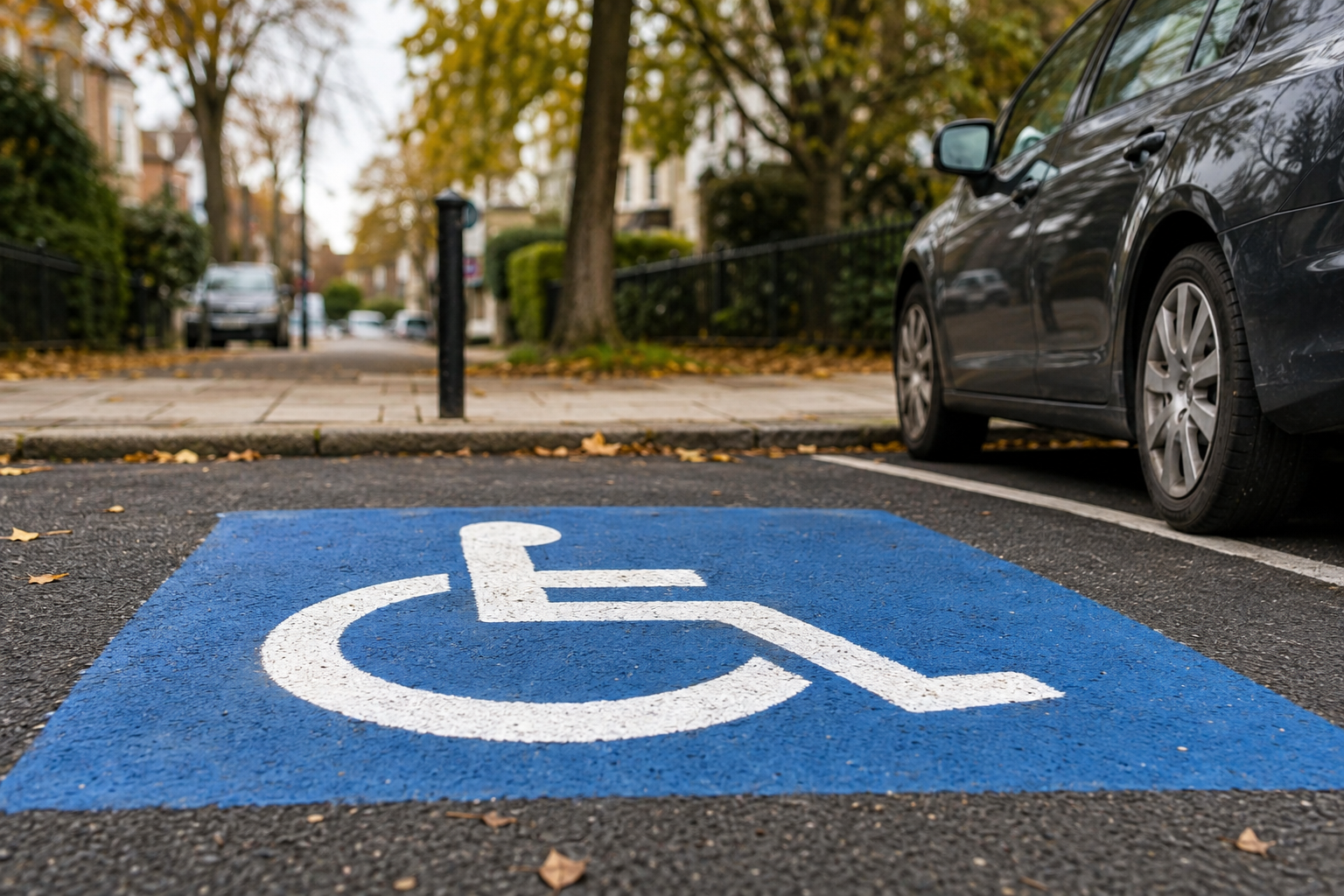
The answer depends on the type of parking space you need. There are different schemes across the UK, including Blue Badges, on street disabled parking bays provided by local councils, and disabled parking spaces within private car parks or housing developments.

This guide explains everything you need to know about how to get a disabled parking space on PIP, who qualifies, how to apply, what documents you may need, and what support is available if your application is refused.


Quick Answer

Can you get a disabled parking space on PIP?

Yes. Receiving PIP can help you qualify for a disabled parking space, but PIP alone does not automatically guarantee one.

In many cases:

  • A qualifying PIP award may allow you to receive a Blue Badge.
  • A Blue Badge can support an application for an on street disabled parking bay outside your home.
  • Local councils make the final decision based on local rules, road safety and demand.

What Is How to Get a Disabled Parking Space on PIP?

What does getting a disabled parking space on PIP mean?

Getting a disabled parking space on PIP means using your disability related benefit as evidence when applying for parking assistance.

There are generally three different types of disabled parking:

Type Purpose
Blue Badge Allows eligible people to park in designated disabled bays and receive parking concessions
Disabled parking bay outside your home A marked parking space on a public road near your property
Private disabled parking space A parking space provided by a landlord, housing association or private landowner

These are separate schemes with different application processes.


Who Can Claim How to Get a Disabled Parking Space on PIP?

Who may qualify?

Many people receiving PIP may qualify if they experience serious mobility difficulties.

Common examples include people with:

  • Severe walking difficulties
  • Long term neurological conditions
  • Arthritis
  • Multiple sclerosis
  • Parkinson’s disease
  • Cerebral palsy
  • Spinal injuries
  • Severe heart conditions
  • Certain respiratory illnesses
  • Cognitive conditions affecting safe travel

Some people qualify automatically for a Blue Badge through their PIP award, while others are assessed individually.


Eligibility Requirements

What are the eligibility rules?

Eligibility depends on the type of parking support being requested.

Blue Badge eligibility

You may qualify automatically if you receive the enhanced rate of the mobility component of PIP because of difficulties moving around.

Some people receiving points under the planning and following journeys activity may also qualify where the regulations apply.

Others may qualify after an assessment even if they do not receive PIP.

Disabled parking bay outside your home

Local authorities usually consider:

  • Whether you have a Blue Badge
  • Your mobility needs
  • Whether you regularly drive or are driven
  • Whether parking near your home is difficult
  • Road safety considerations
  • Available road space

Every council has slightly different criteria.


Income Rules

Does income affect getting a disabled parking space?

No.

There are no income limits for:

  • Blue Badge eligibility
  • Most council disabled parking bay applications

Your financial circumstances are generally not considered.

Instead, decisions focus on your disability and mobility needs.

Income Level Effect
Low income No effect
Working full time No effect
Receiving benefits May support eligibility but is not based on income
Pension income No effect

Savings Rules

Do savings affect eligibility?

No.

Savings, investments and capital are not normally taken into account when deciding whether someone qualifies for:

  • A Blue Badge
  • A disabled parking bay

Your mobility needs are the deciding factor.


How Much Could You Receive?

What support could you receive?

Rather than receiving money, successful applicants may receive valuable parking support.

Possible outcomes include:

Support Benefit
Blue Badge Access to disabled parking bays
Residential disabled parking bay Easier parking outside home
Reduced walking distance Better independence
Easier access to work Less physical strain
Easier hospital visits Improved accessibility

The financial value can be significant because it reduces parking costs and makes travel much easier.


How To Apply

How do you apply for a disabled parking space on PIP?

The process usually involves two stages.

Step One

Apply for a Blue Badge if you do not already have one.

Your local authority will assess whether you qualify.

Step Two

If your council offers disabled parking bays outside residential properties, submit an application.

You may need to provide:

  • Blue Badge details
  • PIP award information
  • Medical evidence
  • Vehicle details
  • Proof of address

Many councils also inspect the location before making a decision.


What happens after you apply?

The council may:

  • Review your documents
  • Assess traffic conditions
  • Carry out a site inspection
  • Consult neighbours if necessary
  • Decide whether a bay is practical

Approval can take several weeks or, in some cases, several months.


What Documents Will You Need?

Which documents should you prepare?

Although requirements vary, councils commonly request:

  • Proof of identity
  • Proof of address
  • Blue Badge details
  • PIP award letter
  • Medical evidence if requested
  • Vehicle registration details
  • Driving licence if applicable

Having these ready can speed up your application.

Document Usually Required
PIP decision letter Yes
Blue Badge Usually
Utility bill Often
Vehicle registration Often
Medical letter Sometimes

Common Mistakes To Avoid

What mistakes can delay your application?

Many applications take longer because important information is missing.

Avoid these common mistakes.

Assuming PIP automatically provides a parking bay

It does not.

Each council decides separately.

Applying without a Blue Badge

Many councils expect applicants to already have a Blue Badge.

Sending incomplete documents

Missing paperwork often causes delays.

Providing outdated medical evidence

Use the most recent evidence available where requested.

Waiting too long after your circumstances change

If your mobility becomes worse, tell the council.


Examples And Real Life Scenarios

Example one

Sarah receives the enhanced mobility component of PIP because she has severe arthritis.

She successfully applies for a Blue Badge.

Her street has limited parking, so she also applies to the council for a disabled parking bay outside her home.

Following a site inspection, the council approves the bay.


Example two

Michael receives the standard mobility component of PIP.

He does not automatically qualify for a Blue Badge.

He submits additional medical evidence explaining how walking causes severe pain.

After assessment, he is awarded a Blue Badge and later applies for a residential disabled parking bay.


Example three

Linda lives in a block of flats with private parking.

Rather than applying to the council, she contacts the housing association.

The housing association allocates an accessible parking space near the entrance.


Frequently Asked Questions

Does PIP automatically give me a disabled parking space?

No. PIP does not automatically provide a disabled parking space. You usually need to apply separately.


Does PIP automatically give me a Blue Badge?

Not always. Some PIP awards qualify automatically, while others require assessment.


Can I apply without a Blue Badge?

Some councils allow applications, but many require a valid Blue Badge first.


Can I get a disabled parking bay outside my house?

Yes, if your local council approves your application.


Is the parking bay reserved only for me?

Usually not.

Most on street disabled bays can legally be used by any Blue Badge holder unless local rules state otherwise.


Can I apply if I rent my home?

Yes.

Tenants can usually apply in the same way as homeowners.


What if my application is refused?

Ask the council why.

You may be able to provide additional evidence or request a review.


Do I need to own a car?

Not necessarily.

Some councils allow applications where you are regularly driven by someone else.


Can my condition be reassessed?

Yes.

The council may review your eligibility if circumstances change.


Can I reapply after being refused?

Yes.

If your health worsens or you obtain additional supporting evidence, you can usually submit a new application.


Related Benefits And Support Available

What other support may help?

Depending on your circumstances, you may also qualify for:

Benefit or Support Purpose
Personal Independence Payment Helps with extra disability related costs
Attendance Allowance Support for older people with care needs
Disability Living Allowance for children Helps families with disabled children
Motability Scheme Lease an adapted vehicle for eligible claimants
Vehicle tax exemption or reduction Reduced motoring costs for eligible people
Disabled Facilities Grant Home adaptations
Carer’s Allowance Support for unpaid carers
Council Tax Reduction Help with council tax bills
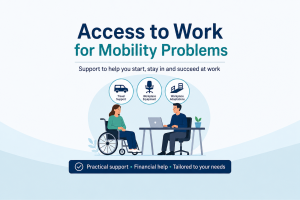
Access to Work Workplace support for disabled employees

Useful Government Resources

Where can you find official guidance?

Information reviewed against current UK Government guidance and official sources.

Useful resources include:

  • GOV.UK guidance on Personal Independence Payment
  • GOV.UK Blue Badge guidance
  • Your local council website
  • Citizens Advice
  • Motability Scheme guidance
  • Department for Work and Pensions publications

Always check the latest guidance because eligibility rules and local authority policies can change.


What happens if your circumstances change?

Should you tell the council?

Yes.

If your condition improves or worsens, or you move home, change vehicle or no longer require the parking space, you should inform your local authority as soon as possible.

Keeping your information up to date helps ensure that parking support is provided fairly and accurately.


Conclusion

Understanding how to get a disabled parking space on PIP can make everyday life much easier if you have limited mobility. While receiving PIP does not automatically guarantee a disabled parking space, it can play an important role in supporting your application for a Blue Badge and, in turn, an on street disabled parking bay outside your home.

The exact process varies between local authorities, but most councils consider your mobility needs, Blue Badge status, parking availability and road safety before making a decision. Preparing the correct documents, providing accurate information and understanding the local application process can significantly improve your chances of success.

If your first application is unsuccessful, do not assume that you are no longer eligible. Request feedback, gather any additional supporting evidence and consider reapplying if your circumstances change.

Benefits Advice UK provides free information to help people better understand the UK benefits system. Always check the latest Government guidance before making financial decisions.

imporatant_image

Important

Information on this site is based on official UK guidance.

About our information and sources
Inbox Background
Newsletter Image

Get the latest updates to your inbox

Sign up for our newsletter to receive updates when there are changes to Universal Credit.