
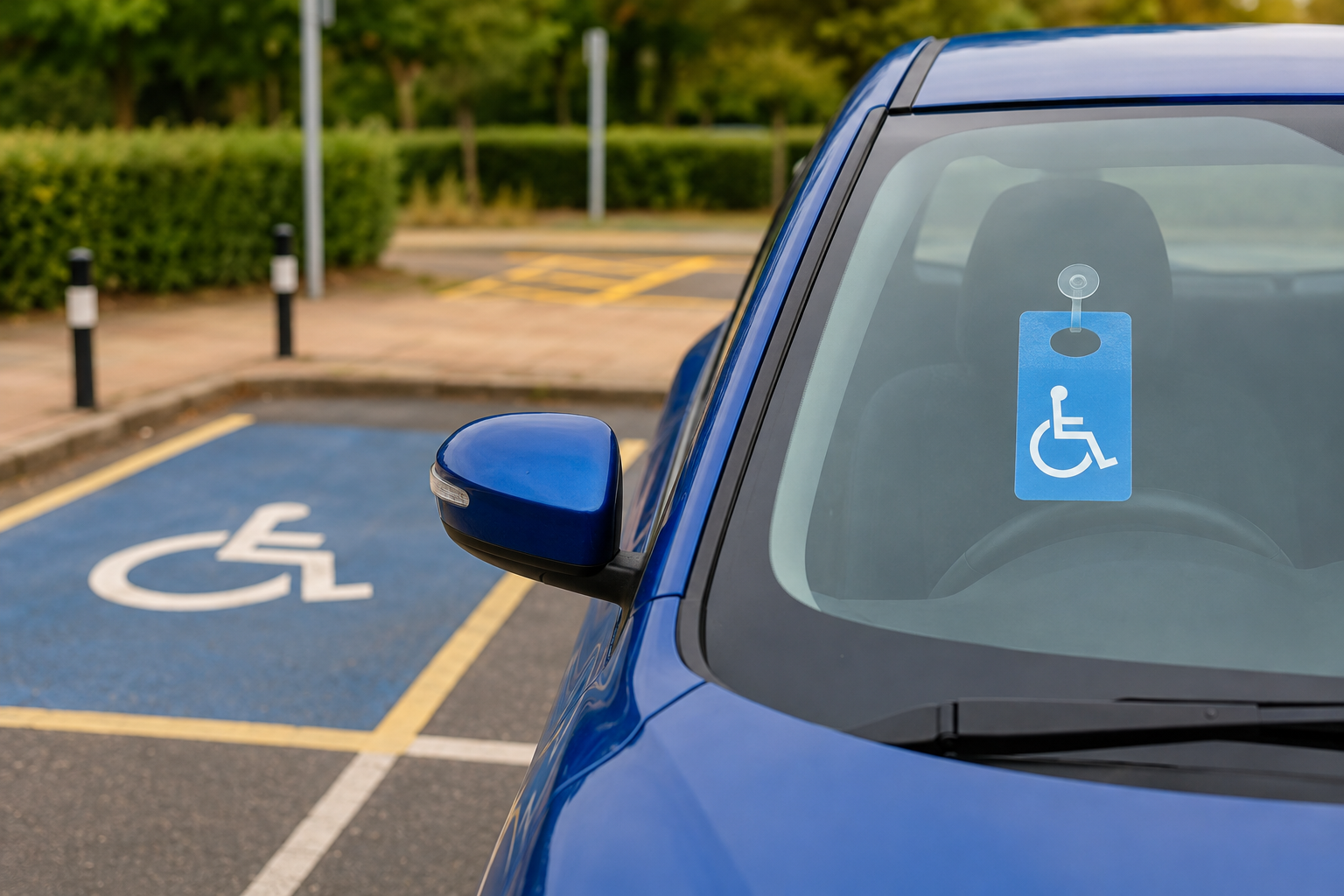
Living with a disability or long term health condition can make travelling and parking much more difficult than it is for most people. The Blue Badge scheme is designed to help people with mobility challenges by allowing them to park closer to their destination in many situations.
Many people receiving Personal Independence Payment, commonly known as PIP, wonder whether they automatically qualify for a Blue Badge. The answer depends on which part of PIP you receive and how your condition affects your ability to walk or undertake journeys.
This guide explains everything you need to know about how to get a Blue Badge on PIP, including eligibility, application steps, supporting evidence, common mistakes and the latest guidance. Whether you are applying for the first time or renewing an existing badge, this article will help you understand the process with confidence.
Yes. You may qualify for a Blue Badge if you receive certain PIP mobility awards or if your disability significantly affects your ability to walk or undertake journeys. Some people qualify automatically, while others are assessed by their local council based on the impact their condition has on daily mobility.
A Blue Badge is a parking permit issued by local councils across England, Scotland and Wales. It allows eligible disabled people to park closer to shops, workplaces, healthcare appointments and other essential destinations.
The scheme aims to make everyday travel easier by reducing the distance someone has to walk between their vehicle and their destination.
A Blue Badge can normally be used whether you are the driver or a passenger, provided the journey is for your benefit.
| Benefit | Description |
|---|---|
| Disabled parking bays | Use designated disabled parking spaces |
| On street parking | Park for longer in many locations |
| Easier access | Reduce walking distance to destinations |
| Greater independence | Make travelling less stressful |
| Better access to services | Attend appointments and shopping more easily |
People receiving Personal Independence Payment may qualify if they receive specific mobility awards or if their disability creates significant walking difficulties.
Eligibility is based on your mobility needs rather than simply receiving PIP.
You could qualify if you:
There are two main routes to receiving a Blue Badge.
You usually qualify automatically if you receive:
If you qualify automatically, your application is generally quicker because much of the required evidence already exists.
You may still qualify if:
Your council may ask for additional medical evidence or arrange an independent mobility assessment.
No.
Your salary, pension, benefits or household income do not affect Blue Badge eligibility.
The scheme is based entirely on disability and mobility needs rather than financial circumstances.
| Income Situation | Eligible? |
| Full time worker | Yes if mobility rules are met |
| Pensioner | Yes if mobility rules are met |
| Universal Credit claimant | Yes if mobility rules are met |
| High income household | Yes if mobility rules are met |
| Low income household | Yes if mobility rules are met |
No.
There are no savings or capital limits for the Blue Badge scheme.
Whether you have no savings or substantial savings makes no difference to your eligibility.
A Blue Badge is not a cash benefit.
Instead, it provides valuable parking concessions which can save money and improve accessibility.
Potential benefits include:
Some councils charge a small fee for issuing a badge.
| Support | Financial Value |
| Parking concessions | Varies by location |
| Easier access | Significant practical benefit |
| Increased independence | Improves daily living |
| Reduced travel stress | Non financial benefit |
The application process is managed by your local council.
Complete the Blue Badge application.
Provide proof of identity.
Provide proof of address.
Upload your recent passport style photograph.
Provide your PIP award letter if applicable.
Submit any additional medical evidence requested.
Pay any application fee required by your council.
Wait for the council’s decision.
Applications can often be completed online, although paper applications are usually available if needed.
Having the correct documents ready can speed up the application.
Typical documents include:
The more clearly your evidence explains how your condition affects walking and travelling, the stronger your application is likely to be.
Many applications take longer because applicants overlook important details.
Avoid these common mistakes.
Receiving PIP alone does not always mean you qualify automatically.
Explain exactly how your condition affects everyday walking.
Missing identity or address documents can delay processing.
Many people minimise their symptoms. Be honest about your worst days as well as your average days.
Renewal applications should be started well before expiry.
| Situation | Outcome |
| Sarah receives eight points for Moving Around under PIP | Usually automatically eligible |
| David receives PIP but scores below the automatic threshold | May require further assessment |
| Emma has severe arthritis and struggles to walk | May qualify following assessment |
| Ahmed has significant psychological distress affecting journeys | May qualify depending on circumstances and council assessment |
| Linda uses a wheelchair | Often qualifies depending on supporting evidence |
No. Automatic eligibility depends on your PIP Mobility award and the points awarded for the relevant activity.
People who receive eight or more points under the Moving Around activity usually qualify automatically.
Yes, in some cases. If you do not qualify automatically, your council may assess your mobility needs.
Many councils charge a small administration fee.
Most Blue Badges are valid for up to three years.
Yes. Eligible children with qualifying disabilities may receive one.
Only if the badge holder is travelling with you or you are collecting them.
Yes. If the council decides you do not meet the eligibility criteria.
Yes. Most councils have a review or reconsideration process.
Blue Badges are recognised across England, Scotland and Wales, although local parking rules may differ. Northern Ireland operates a similar scheme with its own arrangements.
Depending on your circumstances, you may also qualify for additional support.
| Benefit or Scheme | Purpose |
| Personal Independence Payment | Helps with extra disability related costs |
| Attendance Allowance | Support for older people with care needs |
| Universal Credit | Financial support for working age people |
| Carer’s Allowance | Support for unpaid carers |
| Disabled Facilities Grant | Helps adapt your home |
| Motability Scheme | Lease a vehicle through qualifying mobility awards |
| Council Tax Reduction | Help with council tax bills |
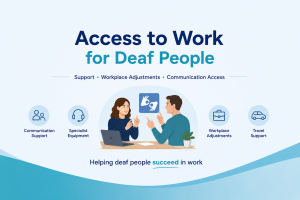
| Access to Work | Workplace support for disabled employees |
The most reliable information comes from official Government and local authority guidance.
Useful resources include:
This article has been prepared using current UK Government guidance relating to the Blue Badge Scheme, Personal Independence Payment and local authority application procedures.
Because eligibility rules and guidance can change, applicants should always check the latest official information before submitting an application.
Understanding how to get a Blue Badge on PIP is easier once you know the different routes to eligibility. While some people qualify automatically through their PIP Mobility award, others can still receive a badge after an assessment of how their condition affects their daily mobility.
The key to a successful application is providing accurate information, supporting evidence and a clear explanation of how your disability affects your ability to walk or travel safely. Remember that eligibility is based on mobility needs rather than income or savings, so many people who assume they do not qualify may still be entitled to support.
A Blue Badge can make a significant difference to independence, access to essential services and overall quality of life by reducing the physical challenges associated with everyday travel.
Benefits Advice UK provides free information to help people better understand the UK benefits system. Always check the latest Government guidance before making financial decisions.

Information on this site is based on official UK guidance.
About our information and sources


Sign up for our newsletter to receive updates when there are changes to Universal Credit.