The Disability Living Allowance (DLA) Mobility Component helps people who have difficulty walking or who need guidance or supervision when moving around because of a disability or health condition. It is designed to help meet the extra costs of getting around and is paid at either a lower or higher rate depending on the level of support needed.
Although Disability Living Allowance for adults has largely been replaced by Personal Independence Payment (PIP), many children still receive DLA, and some adults continue to receive DLA because they have not yet moved to another benefit or fall into specific protected groups.
This guide explains everything you need to know about the Disability Living Allowance Mobility Component, including eligibility, payment rates, how to apply, common mistakes and other support that may be available.
The Disability Living Allowance Mobility Component is the part of Disability Living Allowance that helps people with disabilities who have significant difficulties getting around. It is paid at two different rates depending on the person’s mobility needs and can also provide access to additional schemes such as the Motability Scheme if the higher rate is awarded.
The Disability Living Allowance Mobility Component helps cover the additional costs that arise because someone has difficulty moving around independently.
These extra costs may include:
Unlike some benefits, recipients do not have to spend the payment on transport. The money is intended to help with mobility needs but can be used in whatever way best supports the claimant.
There are two payment levels:
| Mobility Need | Payment Level |
|---|---|
| Needs guidance or supervision outdoors | Lower Rate |
| Has severe walking difficulties or cannot walk | Higher Rate |
The award depends on how disability affects day to day mobility rather than on the medical diagnosis itself.
Generally, the Mobility Component is available to:
New adult claims are usually made through Personal Independence Payment rather than Disability Living Allowance.
A person may qualify if they:
Eligibility depends on how the condition affects mobility.
To receive the Mobility Component, a claimant normally needs to:
The assessment focuses on practical mobility rather than the name of the illness.
A wide range of conditions may qualify including:
Having one of these conditions does not automatically guarantee entitlement.
A person may qualify if they:
Someone may qualify if they:
No.
Disability Living Allowance is not means tested.
This means entitlement is not affected by:
Someone can receive the Mobility Component whether they work or not, provided they meet the qualifying conditions.
No.
There is:
The benefit is awarded solely because of disability related mobility needs.
The Mobility Component is paid weekly.
Two payment rates apply.
| Mobility Level | Weekly Payment |
|---|---|
| Lower Rate | Lower weekly amount set by Government |
| Higher Rate | Higher weekly amount set by Government |
Payment rates are normally reviewed every April.
Always check the latest Government rates before making financial decisions.
Payments are usually made:
Yes.
People receiving the Higher Rate Mobility Component may be able to join the Motability Scheme.
The scheme allows eligible people to exchange some or all of their mobility payments for:
Insurance, servicing and maintenance are generally included within the lease agreement.
Applications depend on who is claiming.
Parents or guardians normally submit a Disability Living Allowance claim on behalf of the child.
The application asks detailed questions about:
Adults already receiving Disability Living Allowance generally remain on their existing award until contacted about any future reassessment or transfer where applicable.
New adult claims are normally made through Personal Independence Payment.
Good evidence improves the quality of a claim.
Useful documents include:
Evidence should explain how the disability affects everyday mobility rather than simply confirming the diagnosis.
Many people unintentionally understate the impact of their disability.
Common mistakes include:
Decision makers need to understand what happens most of the time.
The claim should explain:
Incomplete forms can delay decisions.
Answer every relevant question.
Medical evidence can strengthen a claim considerably.
Children and vulnerable adults may qualify because they require supervision rather than because they physically cannot walk.
| Situation | Outcome |
|---|---|
| A child with autism becomes distressed outdoors and requires constant supervision for safety. | May qualify for the Lower Rate Mobility Component depending on the overall circumstances. |
| Situation | Outcome |
|---|---|
| A child with cerebral palsy can only walk very short distances before severe pain and exhaustion occur. | May qualify for the Higher Rate Mobility Component if the qualifying conditions are met. |
| Situation | Outcome |
|---|---|
| A visually impaired child cannot safely travel outdoors without another person. | May qualify depending on the extent of guidance or supervision required. |
| Situation | Outcome |
|---|---|
| A child experiences uncontrolled epileptic seizures when outdoors and requires continuous supervision. | May qualify if the mobility rules are satisfied. |
Yes.
Claimants should report significant changes such as:
Reporting changes promptly helps avoid overpayments or underpayments.
It is financial support for people whose disability significantly affects their ability to get around safely or independently.
No. Income and savings do not affect entitlement.
Most new adult claims are made through Personal Independence Payment, although some adults remain on Disability Living Allowance under existing awards.
Yes. Eligible children can receive the Mobility Component if they meet the qualifying conditions.
A diagnosis helps provide evidence, but entitlement depends on how the condition affects mobility rather than the diagnosis alone.
Yes. Many claimants receive both if they meet the separate qualifying rules.
Yes. Employment does not automatically affect entitlement.
Yes. Although intended to help with mobility related costs, there is no requirement to spend it on transport.
It may increase entitlement to some other benefits or related support depending on individual circumstances.
Yes. If you disagree with a decision, you can ask for it to be looked at again and, where appropriate, appeal through the independent tribunal process.
Depending on your circumstances, you may also be entitled to:
| Benefit or Support | Purpose |
|---|---|
| Personal Independence Payment | Support for disabled adults with daily living and mobility needs |
| Attendance Allowance | Help for older people with care needs |
| Carer’s Allowance | Support for eligible unpaid carers |
| Universal Credit | Financial support for people on low incomes |
| Disabled Facilities Grant | Help towards adapting a home |
| Blue Badge Scheme | Parking concessions for eligible disabled people |
| Motability Scheme | Vehicle leasing through qualifying mobility payments |
| Council Tax Reduction | Help with council tax bills |
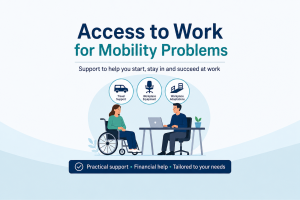
| Access to Work | Workplace support for disabled employees |
| Vehicle Tax Exemption | Available for some recipients of the Higher Rate Mobility Component |
For the latest official information, refer to:
Always rely on official Government guidance for the most up to date eligibility rules and payment rates.
This article has been reviewed against current UK Government guidance relating to Disability Living Allowance, disability benefits, eligibility rules and mobility support. While every effort has been made to ensure the information is accurate and up to date, benefit rules and payment rates can change. Readers should always confirm their individual circumstances using the latest official Government guidance before making financial or legal decisions.
Understanding What is Disability Living Allowance Mobility Component can make a significant difference for families and individuals managing the extra costs associated with disability. The Mobility Component exists to support those whose condition affects their ability to move around safely or independently, helping them maintain greater independence and participate more fully in everyday life.
Eligibility is based on how a disability affects mobility rather than on income, savings or employment. Whether the need is for supervision outdoors, guidance because of a visual impairment, or support due to severe walking difficulties, the Mobility Component can provide valuable financial assistance. For those awarded the Higher Rate, it can also open the door to additional support such as the Motability Scheme and certain vehicle tax concessions.
If you think you or your child may qualify, take time to gather detailed evidence, complete the application carefully and describe how mobility is affected on most days. Providing clear, accurate information can improve the likelihood of the correct decision being made.
Benefits Advice UK provides free information to help people better understand the UK benefits system. Always check the latest Government guidance before making financial decisions.
Information on this site is based on official UK guidance.
About our information and sources

Sign up for our newsletter to receive updates when there are changes to Universal Credit.