

Bringing a new baby into the world can be an exciting time, but it can also bring significant financial pressure. Many families wonder whether there is any Government support available to help cover the costs of a new baby.
If you are asking, what is Sure Start Maternity Grant, this guide explains everything you need to know, including who can claim it, how much you could receive, how to apply, and the common mistakes that could delay your payment.
Whether you are expecting your first child, adopting a baby, or becoming responsible for a young child in another way, understanding your entitlement could help you access valuable financial support.
Sure Start Maternity Grant is a one off tax free payment of £500 from the UK Government to help eligible families with the costs of having a new baby. You do not have to repay the money.
It is generally available to people receiving certain qualifying benefits who are expecting their first child, adopting a child under one year old, or becoming responsible for a baby under specific circumstances.
Sure Start Maternity Grant is financial assistance provided through the Social Fund.
Its purpose is to help families with the extra expenses that come with welcoming a new baby.
The payment can be used however you choose. Many parents use it to buy:
Unlike a loan, the payment never has to be repaid.
| Feature | Details |
|---|---|
| Payment | £500 |
| Taxable | No |
| Repayable | No |
| Means tested | Yes |
| Application required | Yes |
| Number of payments | Usually one per qualifying birth or adoption |
You may qualify if you are responsible for a new baby and receive certain qualifying benefits.
In most cases, the grant is intended for families having their first child.
However, there are important exceptions.
You could qualify if you are:
Families expecting multiple births after already having children may also qualify in some situations.
To receive the grant, you must normally satisfy all relevant conditions.
These include receiving one of the qualifying benefits and applying within the permitted time period.
Qualifying benefits may include:
Rules can differ depending on your personal circumstances.
Applications can usually be made:
Missing these deadlines could result in your application being refused.
There is no separate income limit.
Instead, entitlement is mainly based on receiving one of the qualifying means tested benefits.
These benefits already assess your financial circumstances.
If you stop receiving your qualifying benefit before applying, it could affect your eligibility.
There is no separate savings assessment specifically for the grant.
However, savings may affect your entitlement to some qualifying benefits such as Universal Credit or Pension Credit in certain situations.
If your qualifying benefit changes because of your savings or financial circumstances, your eligibility for the grant may also change.
Eligible applicants normally receive:
£500 for each qualifying claim.
The money is paid directly into your bank, building society or credit union account.
It is:
| Situation | Possible Payment |
| First baby | £500 |
| First child through adoption | £500 |
| Qualifying multiple birth | May qualify under special rules |
| Second baby after first child | Usually not eligible unless an exception applies |
Applications are made using the official Sure Start Maternity Grant application form.
You should complete the form carefully and provide all requested information.
The process generally involves:
Once processed, you will receive a decision explaining whether your claim has been successful.
Although requirements vary, you may be asked to provide:
Providing complete and accurate information can help avoid unnecessary delays.
Many unsuccessful applications result from avoidable errors.
Common mistakes include:
Taking time to check your application carefully can improve the chances of a smooth process.
Sarah is expecting her first baby.
She receives Universal Credit and applies eight weeks before her due date.
She meets the eligibility rules and receives a £500 payment.
Michael and Emma adopt a baby aged six months.
They receive a qualifying benefit and submit the required documents.
Their application is approved, helping them purchase essential baby equipment.
Lisa already has one child and becomes pregnant again.
Although she receives Universal Credit, she does not qualify because the grant is generally intended for first children unless an exception applies.
David becomes responsible for his young niece following family circumstances.
After providing evidence of responsibility and meeting the benefit conditions, he may qualify under the relevant rules.
No. The payment is completely tax free.
No. It is a grant, not a loan.
Yes. The money is intended to help with baby related costs, but you can decide how best to use it.
Yes. Applications normally open from 11 weeks before your expected due date.
Yes. You usually have up to six months after the birth.
Normally only one payment is made for each qualifying child.
No. It is generally ignored as income for benefit purposes.
Special rules apply to multiple births and eligibility depends on your circumstances.
The grant is usually intended for the first child, although there are important exceptions.
Processing times vary depending on demand and whether additional evidence is required.
Yes, eligible adoptive parents may qualify where the child meets the age requirements.
You should inform the relevant department promptly if your benefit entitlement or family circumstances change while your application is being processed.
Depending on your circumstances, you could also qualify for:
| Benefit or Support | Purpose |
| Universal Credit | Help with everyday living costs |
| Child Benefit | Financial support for raising children |
| Healthy Start | Help with healthy food and vitamins |
| Statutory Maternity Pay | Support for eligible employees during maternity leave |
| Maternity Allowance | Support for people who do not qualify for Statutory Maternity Pay |
| Free NHS prescriptions during pregnancy | Healthcare support |
| Free dental treatment during pregnancy | Dental care support |
| Council support schemes | Local financial assistance |
Exploring all available support could increase the financial help your household receives during pregnancy and after your baby arrives.
The most reliable information comes directly from official UK Government guidance.
Useful resources include:
This article has been reviewed against current UK Government guidance relating to Sure Start Maternity Grant, qualifying benefits and Social Fund payments.
Benefit rules may change over time, including payment amounts, eligibility criteria and application procedures. Individual circumstances can also affect entitlement, so always refer to the latest official Government guidance before submitting a claim.
Understanding what is Sure Start Maternity Grant can make a real difference for families preparing for the arrival of a new baby. The grant provides a valuable £500 tax free payment that does not need to be repaid and can help with many of the essential costs of welcoming a child into your family.
Because eligibility depends on receiving certain qualifying benefits and meeting specific conditions, it is important to check your circumstances carefully and submit your application within the correct time frame. Providing complete information and supporting documents can help ensure your claim is processed as smoothly as possible.
If you think you may qualify, it is worth applying promptly so you can receive support when you need it most.
Benefits Advice UK provides free information to help people better understand the UK benefits system. Always check the latest Government guidance before making financial decisions.

Information on this site is based on official UK guidance.
About our information and sources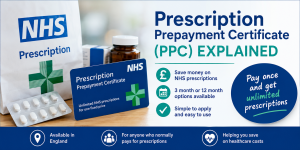





Sign up for our newsletter to receive updates when there are changes to Universal Credit.