
How to Claim Statutory Maternity Pay in 2026

June 10, 2026
How to Claim Statutory Maternity Pay in 2026

How to Claim Statutory Maternity Pay in 2026

Becoming a parent is an exciting life event, but it can also bring financial concerns. Understanding your maternity rights and the financial support available can help you plan ahead with confidence.

This comprehensive guide explains how to claim Statutory Maternity Pay in 2026, who qualifies, how much you could receive, how payments work, common mistakes to avoid and what other support may be available during pregnancy and maternity leave.

Information reviewed against current UK Government guidance and official sources.


Quick Answer

How do you claim Statutory Maternity Pay in 2026?

To claim Statutory Maternity Pay in 2026, you must inform your employer that you are pregnant, provide evidence of your pregnancy such as a MATB1 certificate, and give notice of when you want your maternity leave and maternity pay to begin. If you meet the employment and earnings requirements, your employer will arrange payment through their payroll system.

Most eligible employees can receive up to 39 weeks of Statutory Maternity Pay.


What Is Statutory Maternity Pay?

Statutory Maternity Pay, often called SMP, is a legal payment made by employers to eligible employees who take maternity leave following pregnancy and childbirth.

It is designed to help replace part of your income while you take time away from work to care for your baby.

Unlike Universal Credit, SMP is paid by your employer rather than directly by the Government.

Key facts about Statutory Maternity Pay

Feature Details
Paid by Employer
Maximum payment period 39 weeks
Available to Eligible employees
Taxable Yes
National Insurance payable Yes
Affects maternity leave rights No

Who Can Claim Statutory Maternity Pay?

Who qualifies for Statutory Maternity Pay in 2026?

You may qualify if you are employed and meet specific employment and earnings conditions.

You generally need to:

  • Be employed by the same employer continuously for at least 26 weeks
  • Continue working into the qualifying week
  • Earn enough to qualify
  • Give proper notice
  • Provide evidence of pregnancy

You can qualify whether you work:

  • Full time
  • Part time
  • On a permanent contract
  • On a fixed term contract

Eligibility depends on your circumstances and employment history.


Eligibility Requirements

What are the eligibility requirements for Statutory Maternity Pay?

To receive Statutory Maternity Pay, you must satisfy all required conditions.

Employment requirement

You must have worked continuously for your employer for at least 26 weeks up to the qualifying week.

The qualifying week is usually the 15th week before your baby is due.

Notice requirement

You must tell your employer:

  • That you are pregnant
  • Your expected week of childbirth
  • When you want maternity leave and pay to start

Most employers require at least 28 days notice.

Pregnancy evidence requirement

You will normally need to provide a MATB1 certificate.

This document is usually issued by:

  • Midwives
  • Doctors

The certificate confirms your expected due date.

Eligibility Summary

Requirement Must Meet?
Employee status Yes
26 weeks continuous employment Yes
Minimum earnings threshold Yes
MATB1 certificate Yes
Notice to employer Yes

Income Rules

How much do you need to earn to qualify for Statutory Maternity Pay?

To qualify, your average weekly earnings must be at least equal to the Lower Earnings Limit used for National Insurance purposes.

Your employer will calculate this based on your earnings during the relevant assessment period.

Income considered may include:

  • Salary
  • Overtime
  • Bonuses
  • Commission payments
  • Statutory payments already received

If your earnings fall below the required threshold, you may not qualify for SMP but could potentially qualify for Maternity Allowance instead.


Savings Rules

Do savings affect Statutory Maternity Pay?

No.

Your savings do not affect entitlement to Statutory Maternity Pay.

This is because SMP is based on your employment and earnings rather than your financial circumstances.

You can have:

  • Savings accounts
  • Investments
  • Property assets

These do not normally affect SMP eligibility.


How Much Could You Receive?

How much is Statutory Maternity Pay in 2026?

Eligible employees can receive Statutory Maternity Pay for up to 39 weeks.

The payment structure is split into two phases.

First 6 weeks

You receive:

90 percent of your average weekly earnings before tax.

Remaining 33 weeks

You receive:

  • The standard Statutory Maternity Pay rate, or
  • 90 percent of your average weekly earnings

Whichever amount is lower.

Government rates are usually reviewed annually and may change during 2026.

Always check the latest official rates.

Example payment calculation

Average Weekly Earnings First 6 Weeks Remaining 33 Weeks
£300 £270 Standard SMP rate
£500 £450 Standard SMP rate
£700 £630 Standard SMP rate

How long can SMP be paid?

Period Payment
Weeks 1 to 6 90 percent of average earnings
Weeks 7 to 39 Standard SMP rate or 90 percent of earnings if lower

How To Apply

How do you apply for Statutory Maternity Pay?

The process is straightforward.

Step 1

Tell your employer that you are pregnant.

Step 2

Provide your expected due date.

Step 3

Decide when your maternity leave will begin.

Step 4

Submit your MATB1 certificate.

Step 5

Confirm your maternity leave and maternity pay start date.

Step 6

Your employer processes your Statutory Maternity Pay through payroll.

Payments are normally made in the same way as your salary.


What Documents Will You Need?

What documents are needed for Statutory Maternity Pay?

Most applicants will need:

MATB1 certificate

This confirms:

  • Pregnancy
  • Expected week of childbirth

Employment records

Your employer may already hold these.

Payroll information

Used to calculate average weekly earnings.

Notice of maternity leave

Your chosen maternity leave start date.

Document Checklist

Document Required
MATB1 certificate Yes
Employer notification Yes
Earnings information Usually
Proof of identity Rarely
Medical records Usually not required

Common Mistakes To Avoid

What mistakes can delay Statutory Maternity Pay?

Many maternity pay issues arise because important steps are missed.

Missing deadlines

Tell your employer as early as possible.

Forgetting the MATB1 certificate

Employers generally cannot process SMP without it.

Assuming self employed workers qualify

Self employed individuals usually claim Maternity Allowance instead.

Providing incorrect dates

Double check your expected due date and leave start date.

Not checking eligibility

If you do not qualify for SMP, you may still qualify for Maternity Allowance.


Examples And Real Life Scenarios

What are examples of Statutory Maternity Pay eligibility?

Example 1

Sarah works full time and has worked for her employer for three years.

Outcome:

She qualifies for SMP because she meets both employment and earnings requirements.

Example 2

Emma recently started a new job and has only worked there for four months.

Outcome:

She may not qualify because she has not completed the required continuous employment period.

Example 3

Rachel is self employed.

Outcome:

She will normally need to explore Maternity Allowance rather than SMP.

Example Scenarios

Situation Outcome
Employee for three years Likely eligible
New employee May not qualify
Self employed Usually Maternity Allowance
Part time employee Can qualify if requirements met
Fixed term contract worker Can qualify if conditions met

Frequently Asked Questions

Can I claim Statutory Maternity Pay if I work part time?

Yes. Part time employees can qualify if they meet employment and earnings requirements.

Can I receive SMP and Universal Credit?

Possibly. SMP counts as income when Universal Credit is assessed.

Can self employed people claim SMP?

No. Most self employed individuals apply for Maternity Allowance instead.

How long is Statutory Maternity Pay paid for?

Up to 39 weeks.

Is SMP taxable?

Yes. Income tax and National Insurance may apply.

Do savings affect SMP?

No. Savings do not affect entitlement.

Can agency workers receive SMP?

Some agency workers may qualify depending on employment status and earnings.

What happens if my baby arrives early?

Your maternity leave and SMP arrangements may start sooner.

Can I work while receiving SMP?

Certain work arrangements may affect entitlement. Always check with your employer.

What if my employer says I do not qualify?

Your employer should provide written reasons. You may then explore Maternity Allowance.

Can I receive SMP if I change jobs during pregnancy?

Possibly, but eligibility depends on employment history and timing.


Related Benefits And Support Available

What other support can parents receive?

Several forms of support may be available alongside or after Statutory Maternity Pay.

Maternity Allowance

For people who do not qualify for SMP.

Universal Credit

May help with living costs if household income is low.

Child Benefit

Available to most parents responsible for a child.

Healthy Start Scheme

Provides support with healthy food and vitamins for eligible families.

Sure Start Maternity Grant

A one off payment for eligible families having a child.

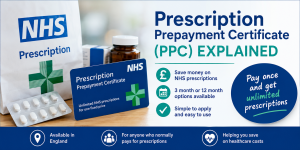
Free NHS Prescriptions

Available during pregnancy and for a period after birth.

Related Support Overview

Benefit Purpose
Maternity Allowance Alternative to SMP
Universal Credit Living costs support
Child Benefit Help with raising children
Healthy Start Food and nutrition support
Sure Start Maternity Grant One off maternity payment

Useful Government Resources

Where can you find official Statutory Maternity Pay information?

Useful sources include:

Always check official Government guidance as rules and payment rates can change.


Information Reviewed Against Current UK Government Guidance And Official Sources

This article has been prepared using current UK maternity pay rules, employment rights guidance and official Government information available at the time of writing.

Benefit rates, earnings thresholds and eligibility requirements may change. Readers should always verify information using official Government resources before making financial decisions.


Conclusion

Understanding how to claim Statutory Maternity Pay in 2026 can help you prepare financially for the arrival of your baby and ensure you receive the support you are entitled to.

Most eligible employees can receive up to 39 weeks of Statutory Maternity Pay, provided they meet the employment and earnings requirements and notify their employer correctly. If you do not qualify for SMP, alternative support such as Maternity Allowance may still be available.

Taking action early, gathering the required documents and understanding your maternity rights can help make the process smoother and reduce unnecessary stress during pregnancy.

Benefits Advice UK provides free information to help people better understand the UK benefits system. Always check the latest Government guidance before making financial decisions.

imporatant_image

Important

Information on this site is based on official UK guidance.

About our information and sources

Inbox Background
Newsletter Image

Get the latest updates to your inbox

Sign up for our newsletter to receive updates when there are changes to Universal Credit.