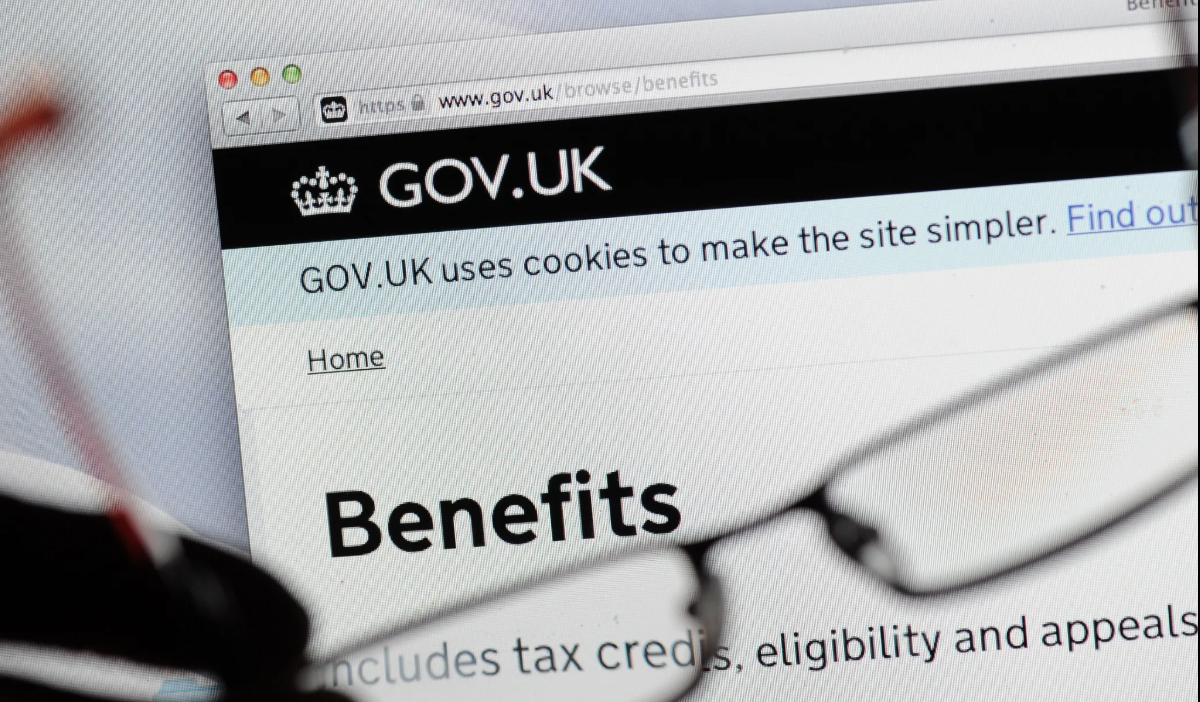
Managing a family budget can feel overwhelming at times, especially when balancing daily expenses, bills, and unexpected costs. Using benefits effectively is a practical way to make life more manageable and secure a brighter financial future. Benefits are designed to support families in the UK by providing additional income or help with costs such as childcare, housing, and living expenses. When planned carefully, they can significantly improve your household finances, reduce stress, and create more opportunities for your family. Learning how to budget with benefits in mind allows you to make informed choices, prioritise spending, and make every pound count.
Understand the Types of Benefits Available
Before you start planning your family budget, it is essential to understand which benefits you are eligible for. Common UK family benefits include Universal Credit, Child Benefit, Child Tax Credit, Working Tax Credit, Housing Benefit, and free school meals. Each benefit has a different purpose and criteria, and combining them strategically can maximise your household income. Knowing your entitlements ensures you do not miss out on available support and can plan with confidence.
Calculate Your Total Income
The first step in effective family budgeting is to calculate your total household income. Include wages, benefits, and any other sources of money coming into the household. This gives you a realistic view of what you have to work with each month. By understanding your full income, you can plan essential expenses first, set aside savings, and allocate money for future goals.
Track Your Spending
Tracking your spending is crucial to planning a family budget successfully. Start by recording all your monthly expenses, including groceries, utilities, transportation, childcare, and leisure activities. When you include both essential and discretionary spending, it becomes easier to identify areas where you can save or redirect funds. Using apps, spreadsheets, or even a simple notebook can help you monitor your progress and stay on track.
Prioritise Essential Costs
Once you know your income and expenses, focus on covering essential costs first. This includes rent or mortgage payments, utilities, food, and transport. Benefits such as Housing Benefit or Universal Credit can help cover some of these costs, giving you more breathing room in your budget. By prioritising essentials, you ensure that your family’s basic needs are met without creating financial stress.
Create a Realistic Budget Plan
With income, expenses, and benefits in mind, you can create a realistic monthly budget. Start by allocating funds to essentials, then plan for savings and discretionary spending. It is important to be realistic about what you can afford and avoid overcommitting. A flexible budget allows you to adjust when unexpected costs arise, making your family finances more resilient.
Maximise Child Benefits and Tax Credits
Child Benefit and tax credits are designed to support families and should be maximised in your planning. Child Benefit provides regular payments to help cover the cost of raising children, while Child Tax Credit or Working Tax Credit offers additional financial assistance for families with lower incomes or children in care. Understanding how these benefits work together ensures you receive the full support available and can plan accordingly.
Plan for Education and Childcare Costs
Education and childcare costs can be significant for families. Benefits such as free school meals, childcare vouchers, and the childcare element of Universal Credit can reduce these expenses. By factoring these into your family budget, you can plan for your children’s education and development without compromising other financial priorities.
Build an Emergency Fund
Even with benefits, unexpected costs can occur, from medical bills to urgent home repairs. An emergency fund is a vital part of family budgeting. Start small if needed, setting aside a few pounds each week or month. Over time, this fund provides security and peace of mind, ensuring your family can handle surprises without financial strain.
Use Benefits to Support Savings Goals
Benefits can also be used to support savings goals. Whether you are saving for a family holiday, home improvements, or future education costs, knowing your monthly income from benefits allows you to allocate funds towards these goals. Small, consistent contributions can grow over time and provide long-term financial stability.
Review Your Budget Regularly
Family finances change over time, so it is important to review your budget regularly. Life events such as a new baby, job change, or housing cost increase can affect your income and expenses. Regular reviews allow you to adjust your budget, ensuring you continue to make the most of benefits and maintain financial balance.
Seek Expert Advice
If you are unsure about your benefits or how to plan your budget, seeking advice from a benefits professional can make a significant difference. They can help you understand your entitlements, make informed decisions, and identify additional support you may not know about. Expert guidance ensures your family finances are optimised and reduces the stress of managing money alone.
Involve the Whole Family
A successful family budget works best when everyone is involved. Discuss spending priorities with older children, encourage responsible money habits, and celebrate savings goals together. Involving the family helps everyone understand the value of money and creates a team approach to financial planning.
Stay Positive and Focused
Budgeting with benefits may feel challenging at first, but staying positive and focused on your goals makes the process easier. Every small step you take towards planning and managing your finances counts. Benefits are there to support you, and by using them wisely, you can achieve stability, security, and peace of mind for your family.
Take Advantage of Free Resources
There are many free resources available to help families plan their budgets. Government websites, local councils, and charitable organisations often provide tools, templates, and workshops to improve financial literacy. Using these resources allows you to make informed decisions and get the most out of your benefits.
Avoid Common Budgeting Mistakes
Common mistakes include underestimating expenses, forgetting irregular costs, and overspending on non-essential items. To avoid these pitfalls, keep a detailed record of spending, plan for occasional expenses such as birthdays or holidays, and stick to your budget allocations. Being mindful of these mistakes ensures your family budget remains on track.
Make Budgeting a Habit
Budgeting is most effective when it becomes a habit. Set aside a regular time each month to review your finances, update your budget, and check your benefits. Making budgeting a routine activity helps you stay organised, reduce financial stress, and ensure your family continues to thrive financially.
Celebrate Financial Wins
Recognise and celebrate your financial achievements, no matter how small. Paying off a debt, saving for a goal, or successfully managing unexpected expenses are all wins. Celebrating progress keeps motivation high and reinforces positive money habits within the family.
Conclusion
Planning a family budget with benefits is an empowering way to take control of your household finances. By understanding your entitlements, tracking spending, prioritising essentials, and setting achievable goals, you can create a budget that works for your family. Benefits are not just financial support; they are tools that help you plan for today and prepare for a secure future. With positivity, planning, and practical steps, your family can enjoy financial stability, reduced stress, and more opportunities to thrive.