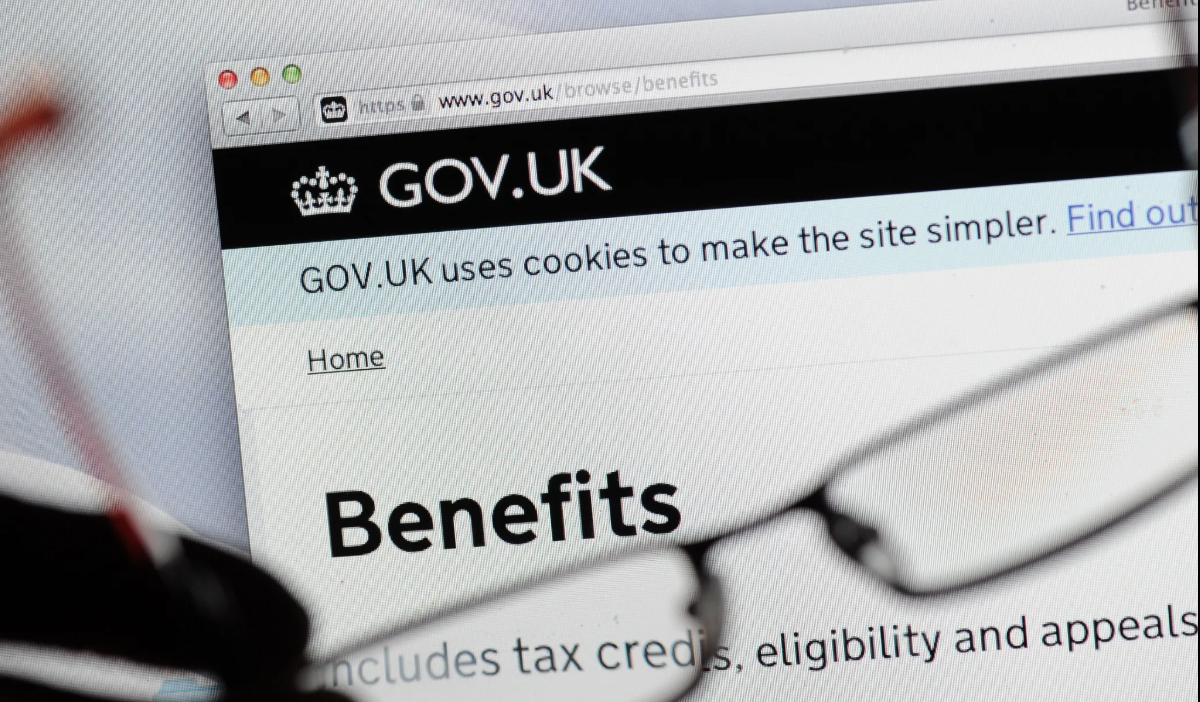
Managing household bills can feel overwhelming for many families, especially when the cost of living continues to rise. However, the good news is that there are a number of benefits and support schemes available in the UK that can make a real difference. These benefits are designed to help families reduce their household expenses, improve their financial stability, and provide peace of mind. By understanding which benefits you qualify for and how to claim them, you can ensure your family has more money left over each month to spend on essentials, leisure, and savings.
Understanding Household Bills and Financial Pressure
Household bills cover a wide range of essential expenses including energy, water, council tax, rent or mortgage payments, and everyday groceries. For families, keeping up with these bills can create significant financial pressure. With the cost of living increasing, it is even more important to find ways to reduce monthly expenses. Benefits are a powerful tool in this regard because they are designed to provide direct financial support or reduce specific household costs.
The Role of Benefits in Supporting Families
Benefits such as Universal Credit, Child Benefit, and Council Tax Reduction provide direct assistance to families in need. These benefits can help cover basic living costs, ensure children have the essentials they need, and reduce the financial burden of housing and utility payments. For example, Universal Credit can increase your monthly income if you are on a low wage or temporarily out of work, giving you the flexibility to cover essential bills without sacrificing other priorities.
Energy Bill Support Through Benefits
Energy costs are one of the largest household expenses. Thankfully, there are several benefits and schemes designed to ease this burden. The Warm Home Discount Scheme offers eligible families discounts on their electricity bills, and the Winter Fuel Payment provides additional financial support to help with heating costs during colder months. Additionally, certain families may qualify for the Energy Company Obligation scheme, which helps with the cost of improving home insulation, reducing energy consumption, and lowering bills in the long term.
Child Benefits and Family Expenses
Child Benefit is a crucial benefit for families with children. This benefit helps cover the costs of raising children, including food, clothing, school supplies, and childcare. By receiving Child Benefit, families can allocate more of their budget towards essential household bills rather than trying to stretch limited resources. Families with more than one child may see even greater advantages, as the payment increases for each additional child.
Housing Benefits and Rent Support
For families renting a home, Housing Benefit or the housing element of Universal Credit can make a significant difference. These benefits reduce the portion of rent that families need to pay from their own pockets, leaving more money available to cover energy, water, council tax, and other essential bills. For families living in council housing, Council Tax Reduction can further ease the financial strain, ensuring that fewer resources are diverted from day-to-day needs to paying large bills.
Reducing Council Tax With Benefits
Council Tax is often one of the highest regular household bills, and many families are eligible for reductions. Depending on your household income, Council Tax Reduction can reduce your payment by a significant percentage. Single parents, low-income households, and families with children are often eligible for the maximum reduction. Applying for this benefit is straightforward and can result in immediate savings, leaving more funds to cover energy and grocery costs.
Benefits for Low-Income Families
Low-income families can access a range of support that directly impacts their ability to pay household bills. In addition to Universal Credit, families may qualify for discretionary support funds, free school meals for children, and local authority grants designed to cover essentials such as clothing and school supplies. These benefits help reduce the day-to-day financial pressures, allowing families to redirect their limited funds towards critical bills without sacrificing the wellbeing of their children.
Energy Efficiency and Long-Term Savings
Benefits and support schemes are not just about immediate financial relief. They can also contribute to long-term savings by encouraging energy efficiency. Programs such as the Energy Company Obligation provide funding for insulation, new boilers, and energy-efficient appliances, reducing the cost of electricity and gas over time. Families who take advantage of these schemes often see lower monthly bills and improved home comfort.
How to Maximise Your Benefits
To make the most of available benefits, families should keep track of eligibility criteria and application deadlines. Seeking advice from local councils, Citizens Advice, or benefits specialists can help identify all the benefits you are entitled to. Ensuring that your applications are up to date and accurate increases the likelihood of receiving the full amount, ultimately leading to more manageable household bills.
The Psychological Benefits of Reducing Household Bills
Reducing household bills through benefits does more than improve financial stability. It also reduces stress and anxiety for families who struggle to make ends meet. When bills are manageable, families can focus on spending quality time together, pursuing education and career opportunities, and planning for the future. Knowing that support is available provides reassurance and encourages proactive financial planning.
Practical Steps for Families to Reduce Bills Using Benefits
Families looking to maximise savings should start by assessing all available benefits. Begin with Universal Credit or Housing Benefit if eligible, then check for energy-specific support such as the Warm Home Discount or Winter Fuel Payment. Claim Child Benefit for every child in your household and explore local council schemes for tax reductions or discretionary payments. Regularly reviewing your entitlements ensures that you are not missing out on any available support.
Benefits That Cover Specific Household Needs
Certain benefits are tailored to specific household needs. For example, Disability Living Allowance or Personal Independence Payment can help families with children who have additional needs, reducing the financial impact of specialist care, transportation, and energy use. Likewise, Carer’s Allowance supports individuals who provide care for family members, helping cover living expenses and essential bills while managing caregiving responsibilities.
Community and Charitable Support
In addition to government benefits, families can explore support from community and charitable organisations. Many charities offer grants or vouchers for energy, groceries, or essential household items. Local food banks and community centres can provide temporary relief for families facing a short-term financial crunch, complementing long-term benefits to reduce household bills.
Encouraging Families to Take Action
It is important for families to take proactive steps in claiming benefits. Many are unaware of the full range of support available, and even small amounts of additional support can have a meaningful impact. By reaching out for guidance, applying for the benefits you are entitled to, and making use of energy-saving programs, families can significantly reduce household bills and improve overall financial wellbeing.
Conclusion
Benefits are a lifeline for many families in the UK. They reduce household bills, ease financial stress, and create opportunities for families to focus on what matters most. By understanding the various benefits available, applying for all eligible support, and using practical strategies to manage household costs, families can enjoy a more secure financial future. Families are encouraged to stay informed about benefits updates and take advantage of all available support to reduce household bills, increase disposable income, and improve their quality of life.