What Is Attendance Allowance Higher Rate?

What Is Attendance Allowance Higher Rate?

Attendance Allowance Higher Rate is the higher level of Attendance Allowance paid to people over State Pension age who have a disability, illness or health condition that means they need help or supervision both during the day and at night.

The benefit is designed to help with the extra costs of living with a disability. It is not based on your income or savings, and you do not have to have someone actually providing the care. What matters is that you need the help.

If you qualify for the higher rate, you receive a larger weekly payment than those who only need help during either the day or the night.


Quick Answer

What is Attendance Allowance Higher Rate?

Attendance Allowance Higher Rate is the highest level of Attendance Allowance available to people over State Pension age who need frequent help or supervision throughout both the daytime and night because of a long term illness or disability.

It is:

  • Tax free
  • Not means tested
  • Not affected by savings
  • Usually paid every four weeks
  • Available whether or not someone actually provides your care

Receiving Attendance Allowance Higher Rate may also increase entitlement to other benefits and financial support.


What Is Attendance Allowance Higher Rate?

Attendance Allowance Higher Rate helps older people who require substantial care or supervision because of a physical disability, mental health condition, learning disability or long term illness.

Unlike many benefits, Attendance Allowance is not intended to replace income. Instead, it helps people manage the additional costs associated with their health needs.

Examples include:

  • Personal care
  • Washing
  • Dressing
  • Preparing meals
  • Managing medication
  • Staying safe
  • Help moving around indoors
  • Night time supervision
  • Assistance due to dementia
  • Support because of sight or hearing loss

The higher rate recognises that some people require support both throughout the day and during the night.


Who Can Claim Attendance Allowance Higher Rate?

Who qualifies for Attendance Allowance Higher Rate?

You may qualify if you:

  • Have reached State Pension age
  • Have a disability or long term health condition
  • Need personal care or supervision during both day and night
  • Have needed this help for at least six months unless you are terminally ill
  • Normally live in England, Scotland or Wales
  • Meet the residence and presence conditions

Attendance Allowance covers many conditions including:

  • Arthritis
  • Parkinson’s disease
  • Dementia
  • Alzheimer’s disease
  • Stroke
  • Cancer
  • Heart disease
  • Lung disease
  • Multiple sclerosis
  • Visual impairment
  • Hearing impairment
  • Frailty associated with ageing

Your medical diagnosis alone does not determine entitlement.

Instead, the Department for Work and Pensions considers how your condition affects your everyday life.


Eligibility Requirements

What are the eligibility requirements?

To receive the higher rate, you normally need to show that you require:

Frequent help during the day

Examples include:

  • Washing
  • Dressing
  • Using the toilet
  • Eating
  • Taking medication
  • Preventing falls
  • Staying safe

Frequent help during the night

Examples include:

  • Assistance getting out of bed
  • Help using the toilet
  • Turning in bed
  • Supervision because of confusion
  • Monitoring seizures
  • Preventing wandering
  • Assistance because of breathing problems

The DWP looks at your overall needs rather than whether someone currently provides this support.


Eligibility comparison

Care needs Possible outcome
Help during daytime only Lower Rate Attendance Allowance
Help during night only Lower Rate Attendance Allowance
Help during both day and night Higher Rate Attendance Allowance
No regular care needs Usually not eligible

Income Rules

Does income affect Attendance Allowance Higher Rate?

No.

Attendance Allowance is not means tested.

This means your entitlement is not affected by:

  • Salary
  • Pension income
  • Private pensions
  • Rental income
  • Investments
  • Other savings income

Many people assume they earn too much to qualify.

This is one of the most common misconceptions.


Savings Rules

Do savings affect Attendance Allowance Higher Rate?

No.

There is no savings limit.

Whether you have:

  • £500
  • £10,000
  • £50,000
  • £250,000

your savings do not affect your Attendance Allowance entitlement.

The decision is based entirely on your care or supervision needs.


How Much Could You Receive?

How much is Attendance Allowance Higher Rate?

Attendance Allowance is paid at two different rates.

Level Who qualifies
Lower Rate Need help during either the day or night
Higher Rate Need help during both day and night

The Government reviews payment amounts regularly.

Always check the latest official payment rates before making financial decisions.

Payments are usually made every four weeks directly into your bank, building society or credit union account.

Attendance Allowance is tax free.

It does not reduce your State Pension.


How To Apply

How do you apply for Attendance Allowance Higher Rate?

Applications are made using the Attendance Allowance claim form.

The process usually involves:

Step 1

Request or download the Attendance Allowance claim form.

Step 2

Complete every section carefully.

Explain:

  • Your daily routine
  • What help you need
  • How often you need help
  • Night time difficulties
  • How long tasks take
  • What happens if you do not receive help

Step 3

Include supporting evidence if available.

Examples include:

  • GP letters
  • Hospital reports
  • Occupational therapist reports
  • Care plans
  • Medication lists

Step 4

Return the completed application.

The DWP will assess your claim.

Sometimes additional medical information may be requested.


What Documents Will You Need?

Which documents support an Attendance Allowance claim?

Useful evidence includes:

  • National Insurance number
  • GP details
  • Hospital consultant details
  • Medication list
  • Care assessments
  • Medical reports
  • Hospital discharge summaries
  • Occupational therapy reports
  • Details of your daily care needs

Providing detailed evidence can help decision makers understand your circumstances more clearly.


Common Mistakes To Avoid

What mistakes can reduce your chances of success?

Many applications are unsuccessful because people underestimate their care needs.

Common mistakes include:

Saying what you can do instead of what you struggle with

Describe your worst days as well as your average days.

Forgetting about night time care

Night time needs are particularly important when claiming the higher rate.

Leaving sections blank

Complete every relevant section.

Not including supporting evidence

Medical evidence strengthens many applications.

Being too modest

Many older people understate the amount of help they need.

Be honest and accurate.


Examples And Real Life Scenarios

Example one

Margaret is 82.

She has severe arthritis and heart failure.

During the day she needs help washing, dressing and preparing meals.

At night she requires assistance getting to the toilet several times.

Outcome:

Margaret may qualify for Attendance Allowance Higher Rate.


Example two

David has Parkinson’s disease.

His wife helps him dress each morning.

During the night she regularly assists him turning in bed and using the toilet.

Outcome:

David may qualify for the higher rate because he needs care during both day and night.


Example three

Sarah has dementia.

She becomes confused during the daytime and wanders around the house during the night.

Her daughter supervises her to keep her safe.

Outcome:

Sarah may qualify for the higher rate because she requires regular supervision both day and night.


Frequently Asked Questions

Can I receive Attendance Allowance if I live alone?

Yes. You do not need to have a carer living with you.


Can I receive Attendance Allowance if nobody helps me?

Yes. The benefit is based on the help you need, not the help you actually receive.


Is Attendance Allowance taxable?

No.

Attendance Allowance is tax free.


Can I work and receive Attendance Allowance?

Yes, provided you meet the eligibility conditions.


Does Attendance Allowance affect my State Pension?

No.


Can Attendance Allowance increase other benefits?

Yes.

Receiving Attendance Allowance can increase entitlement to benefits such as Pension Credit, Housing Benefit and Council Tax Reduction, depending on your circumstances.


Can I receive Attendance Allowance and Personal Independence Payment?

Normally no.

Attendance Allowance is generally for people over State Pension age who are not already receiving Personal Independence Payment or Disability Living Allowance for the same care needs.


Can I claim if I have dementia?

Yes.

Many people with dementia qualify because they require regular supervision and personal care.


Can Attendance Allowance be backdated?

Claims are generally paid from the date the claim starts, although special rules may apply in certain circumstances.


What happens if my condition gets worse?

You should report significant changes to the DWP.

If your care needs increase, your entitlement may change.


Related Benefits And Support Available

What other benefits could you receive?

Receiving Attendance Allowance may help you qualify for additional support.

This could include:

  • Pension Credit
  • Housing Benefit
  • Council Tax Reduction
  • Carer’s Allowance for someone who cares for you
  • Warm Home Discount
  • Winter Fuel Payment
  • Cold Weather Payment where applicable
  • Local authority support
  • Disabled Facilities Grants
  • Blue Badge Scheme
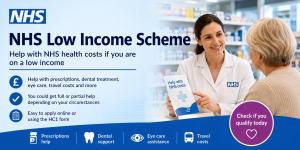
  • NHS Low Income Scheme where eligible

Each benefit has its own eligibility rules.


Related support overview

Benefit Purpose
Pension Credit Helps increase income in retirement
Housing Benefit Helps with rent in certain circumstances
Council Tax Reduction Reduces council tax bills
Carer’s Allowance Supports eligible carers
Disabled Facilities Grant Helps fund home adaptations
Blue Badge Parking concessions for eligible disabled people

Useful Government Resources

Where can you find official guidance?

For the latest official information, consult UK Government guidance covering:

  • Attendance Allowance eligibility
  • Current payment rates
  • Claim forms
  • Medical evidence
  • Reporting changes in circumstances
  • Appeal procedures
  • Residence rules

You can also seek free independent advice from organisations such as Citizens Advice or Age UK if you need help completing an application.


Information Reviewed Against Current UK Government Guidance And Official Sources

This article has been prepared using current UK Government guidance relating to Attendance Allowance.

Information has been reviewed against official guidance covering:

  • Eligibility conditions
  • Care needs assessments
  • Residence requirements
  • Payment arrangements
  • Application procedures
  • Supporting evidence requirements

Benefit rules and payment rates can change. Always refer to the latest Government guidance before making a claim or financial decision.


Conclusion

Attendance Allowance Higher Rate provides valuable financial support for older people whose disability or illness means they need substantial help both during the day and at night. Unlike many benefits, it is not based on your income or savings, making it available to people from a wide range of financial backgrounds.

A successful claim depends on accurately explaining how your condition affects your daily life rather than simply naming your medical diagnosis. Taking time to complete the application carefully, describing your day and night care needs in detail, and including supporting medical evidence where possible can improve the quality of your claim.

Attendance Allowance can also act as a gateway to additional financial help, including increased entitlement to other benefits and support schemes, making it an important part of the UK’s welfare system for many older people.

Benefits Advice UK provides free information to help people better understand the UK benefits system. Always check the latest Government guidance before making financial decisions.

imporatant_image

Important

Information on this site is based on official UK guidance.

About our information and sources
Inbox Background
Newsletter Image

Get the latest updates to your inbox

Sign up for our newsletter to receive updates when there are changes to Universal Credit.